




Q345D Seamless Steel Pipe: A Comprehensive Guide to Properties, Applications, and Selection
Introduction to Q345D Seamless Steel Pipe
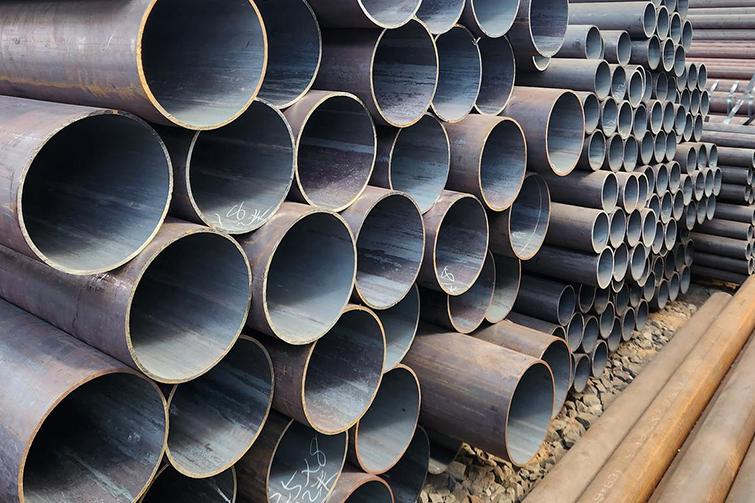
Q345D seamless steel pipe is a type of high-strength, low-alloy (HSLA) structural steel that plays a crucial role in various industrial applications. Derived from Chinese standards, the designation "Q345D" indicates its yield strength of 345 MPa and grade D, which signifies good impact toughness at low temperatures. As a seamless pipe, it is manufactured without any welded seams, offering superior strength and reliability compared to welded alternatives. This makes it an ideal choice for demanding environments where durability and performance are paramount. In this guide, we will delve into the properties, manufacturing process, common uses, and selection tips for Q345D seamless pipes, providing a thorough understanding for engineers, procurement specialists, and industry professionals.
Key Properties and Advantages
Q345D seamless steel pipe boasts several key properties that set it apart from other materials. Firstly, its high yield strength of 345 MPa ensures excellent load-bearing capacity, making it suitable for structural supports and heavy machinery. The "D" grade indicates enhanced impact toughness, allowing it to withstand low-temperature conditions down to -20°C without becoming brittle—a critical feature for applications in cold climates or cryogenic settings. Additionally, its seamless construction eliminates weak points that can occur in welded pipes, reducing the risk of leaks and failures under pressure. This pipe also offers good weldability and formability, facilitating easy fabrication and installation in complex projects. Moreover, its corrosion resistance is improved through alloying elements like manganese and silicon, extending its service life in harsh environments. These advantages make Q345D a versatile and reliable material for a wide range of industries.
Manufacturing Process and Quality Control
The production of Q345D seamless steel pipe involves a precise manufacturing process to ensure high quality and consistency. It typically starts with hot-rolled steel billets, which are heated and pierced to form a hollow shell. This shell is then elongated and rolled to achieve the desired dimensions and wall thickness. The seamless nature of the pipe is achieved through methods like rotary piercing or extrusion, which create a uniform structure without seams. Quality control is paramount throughout this process, with rigorous testing for mechanical properties, chemical composition, and non-destructive inspections such as ultrasonic testing. Standards like GB/T 8162 and GB/T 8163 in China govern the specifications, ensuring that the pipes meet strict requirements for strength, toughness, and dimensional accuracy. By adhering to these standards, manufacturers can produce Q345D pipes that are safe and efficient for critical applications.
Common Applications in Industry
Q345D seamless steel pipe finds extensive use across multiple sectors due to its robust properties. In the construction industry, it is commonly employed for structural frameworks, bridges, and high-rise buildings, where its strength and durability support heavy loads and resist environmental stresses. In machinery and equipment manufacturing, it serves as components for hydraulic systems, pressure vessels, and automotive parts, benefiting from its seamless design that prevents leakage under high pressure. The energy sector also relies on Q345D pipes for oil and gas pipelines, as well as in power plants, where they transport fluids and withstand corrosive conditions. Additionally, its low-temperature toughness makes it suitable for cold storage facilities and outdoor installations in northern regions. By understanding these applications, users can better select Q345D pipes for their specific needs, ensuring optimal performance and cost-effectiveness.
Selection and Procurement Tips
When selecting Q345D seamless steel pipe, several factors should be considered to ensure the right choice for your project. First, verify the material specifications, including the yield strength, impact toughness grade, and chemical composition, to match the environmental and load requirements. It is essential to source from reputable suppliers who provide certification and test reports, such as mill test certificates (MTCs), to guarantee quality. Pay attention to dimensions like outer diameter, wall thickness, and length, as these affect the pipe's suitability for installation and performance. Cost is another consideration; while seamless pipes are generally more expensive than welded ones, their longevity and reliability often justify the investment in critical applications. Consulting with engineers or experts can help in making informed decisions, especially for complex projects where safety and efficiency are priorities.
Common Questions
What is the main difference between Q345D and other grades like Q345B?Q345D offers better impact toughness at low temperatures compared to Q345B, making it more suitable for cold environments. While both have a yield strength of 345 MPa, the "D" grade indicates enhanced performance in sub-zero conditions, whereas "B" is for general use at higher temperatures.
Can Q345D seamless pipes be used for high-pressure applications?Yes, Q345D seamless pipes are excellent for high-pressure applications due to their seamless construction, which provides uniform strength and reduces weak points. They are commonly used in hydraulic systems, pressure vessels, and pipelines where reliability under pressure is crucial.
How do I ensure the quality of Q345D pipes during procurement?To ensure quality, always request mill test certificates (MTCs) from suppliers, which detail the mechanical properties and chemical composition. Additionally, conduct or require non-destructive testing, such as ultrasonic or radiographic inspections, to check for defects and verify compliance with standards like GB/T 8162.
What are the typical sizes available for Q345D seamless pipes?Q345D seamless pipes come in a wide range of sizes, with outer diameters typically from 10 mm to 500 mm and wall thicknesses from 1 mm to 50 mm. Custom sizes can also be manufactured based on project requirements, so it's best to consult with suppliers for specific dimensions.
Is Q345D suitable for welding and fabrication?Yes, Q345D has good weldability and can be easily fabricated using standard welding techniques. However, it is important to follow proper welding procedures and use compatible materials to maintain its properties and prevent issues like cracking or reduced toughness.