





Steel Pipe Painting: A Comprehensive Guide to Techniques, Benefits, and Best Practices
Introduction to Steel Pipe Painting
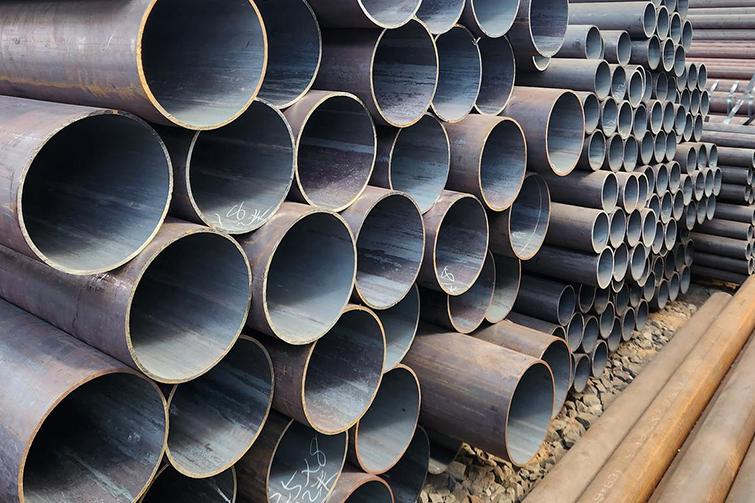
Steel pipe painting, often referred to as steel pipe coating, is an essential procedure in various industries, including construction, oil and gas, and manufacturing. It involves applying a protective layer of paint or coating to steel pipes to prevent rust, corrosion, and environmental damage. This process not only extends the lifespan of the pipes but also improves their aesthetic appeal and functionality in demanding environments.
Key Techniques in Steel Pipe Painting
There are several techniques used in steel pipe painting, each suited to different applications and requirements. One common method is spray painting, which uses specialized equipment to evenly apply paint over the surface. This technique is efficient for large-scale projects and ensures a uniform coating. Another approach is brush or roller application, which is more manual and suitable for smaller or intricate areas where precision is needed. Additionally, advanced methods like powder coating involve applying a dry powder that is then cured under heat to form a durable finish. Proper surface preparation, such as cleaning and priming, is crucial for all techniques to ensure adhesion and longevity.
Benefits of Steel Pipe Painting
The primary benefit of steel pipe painting is corrosion resistance. Steel is prone to rust when exposed to moisture and chemicals, but a high-quality paint layer acts as a barrier, protecting the metal from degradation. This reduces maintenance costs and prevents failures in critical systems. Other advantages include enhanced durability, as painted pipes can withstand harsh weather conditions and mechanical stress, and improved safety, by preventing leaks or structural weaknesses. Moreover, painting allows for color coding, which aids in identification and organization in industrial settings.
Best Practices for Effective Steel Pipe Painting
To achieve the best results in steel pipe painting, follow these expert recommendations. First, always start with thorough surface preparation: remove any rust, dirt, or old paint using methods like sandblasting or chemical cleaning. Apply a suitable primer to enhance paint adhesion. Second, choose the right type of paint based on the environment—for example, epoxy paints are excellent for chemical resistance, while polyurethane paints offer UV protection. Third, ensure proper application techniques, such as maintaining the correct spray distance and applying multiple thin coats rather than one thick layer. Finally, allow adequate drying and curing time to ensure the coating sets properly.
Common Challenges and Solutions
Steel pipe painting can face challenges like poor adhesion or uneven coverage. To address these, use high-quality materials and follow manufacturer guidelines. In humid conditions, consider using dehumidifiers to prevent moisture-related issues. Regular inspections and touch-ups can help maintain the coating over time, especially in high-wear areas.
Frequently Asked Questions
What is the best paint for steel pipes in outdoor environments?
For outdoor use, polyurethane or acrylic-based paints are recommended due to their excellent weather resistance and UV protection properties. They form a durable barrier against rain, sun, and temperature fluctuations.
How often should steel pipes be repainted?
The frequency depends on the environment and paint quality. In mild conditions, repainting every 5-10 years may suffice, but in harsh industrial settings, inspections every 2-3 years are advisable to check for wear and tear.
Can steel pipe painting be done without professional equipment?
Yes, for small projects, manual methods like brushing are feasible. However, for large or critical applications, professional spray equipment ensures better coverage and efficiency, reducing the risk of errors.