




Unveiling the Excellence of ASTM Seamless Tubes: A Comprehensive Guide to Applications and Benefits
Introduction to ASTM Seamless Tubes
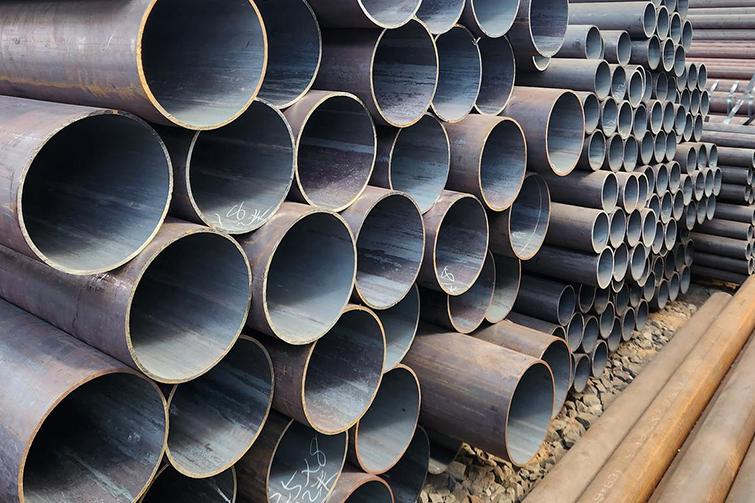
ASTM seamless tubes, or American Standard seamless pipes, are manufactured without any welded seams, making them highly reliable for high-pressure and high-temperature applications. They are produced according to standards set by the American Society for Testing and Materials (ASTM), ensuring consistent quality and performance across industries. These tubes are commonly used in sectors such as oil and gas, power generation, and chemical processing, where durability and safety are paramount. The seamless construction eliminates weak points, reducing the risk of leaks and failures, which is crucial in critical operations.
Key Characteristics and Manufacturing Process
The manufacturing of ASTM seamless tubes involves a process called extrusion or piercing, where a solid billet is heated and formed into a hollow tube without any seams. This method results in a uniform structure with excellent mechanical properties, including high tensile strength, corrosion resistance, and thermal stability. Common materials include carbon steel, alloy steel, and stainless steel, each tailored to specific environmental conditions. For instance, ASTM A106 seamless tubes are widely used for high-temperature service, while ASTM A312 stainless steel tubes are ideal for corrosive environments. The absence of welds also enhances fatigue resistance, making these tubes suitable for dynamic loads and cyclic stresses.
Applications Across Industries
ASTM seamless tubes find extensive use in various industries due to their versatility and reliability. In the oil and gas sector, they are employed in drilling, production, and transportation pipelines, where they withstand extreme pressures and harsh conditions. In power plants, these tubes are used in boilers, heat exchangers, and superheaters to handle steam and high temperatures efficiently. The chemical industry relies on them for processing corrosive fluids, while the automotive and aerospace sectors utilize them for structural components and hydraulic systems. Additionally, they are common in construction for scaffolding and mechanical applications, highlighting their broad utility.
Benefits of Choosing ASTM Seamless Tubes
Opting for ASTM seamless tubes offers numerous advantages, including enhanced safety, longevity, and cost-effectiveness in the long run. Their seamless design reduces maintenance needs and downtime, as there are fewer points of failure compared to welded alternatives. They also provide better flow characteristics in fluid transport, minimizing pressure drops and improving efficiency. From a professional standpoint, adhering to ASTM standards ensures compliance with regulatory requirements and industry best practices, reducing liability risks. Real-world examples, such as their use in offshore oil rigs or nuclear power facilities, demonstrate their critical role in ensuring operational integrity.
Common Questions
What are the main differences between ASTM seamless tubes and welded tubes?
ASTM seamless tubes are made from a single piece of material without any seams, offering superior strength and reliability for high-pressure applications. Welded tubes, on the other hand, are formed by joining edges, which can introduce weak points and are generally more cost-effective for low-pressure uses.
How do I select the right ASTM grade for my project?
Consider factors such as operating temperature, pressure, corrosion environment, and material compatibility. Consult ASTM specifications (e.g., A106 for carbon steel, A312 for stainless steel) and seek advice from suppliers or engineers to ensure the tube meets your specific requirements.
Are ASTM seamless tubes more expensive than other types?
Initially, ASTM seamless tubes may have a higher upfront cost due to the complex manufacturing process. However, their durability and reduced maintenance often lead to lower total cost of ownership over time, making them a wise investment for critical applications.