





Spiral Steel Pipe: The Versatile Backbone of Modern Infrastructure
What is Spiral Steel Pipe?
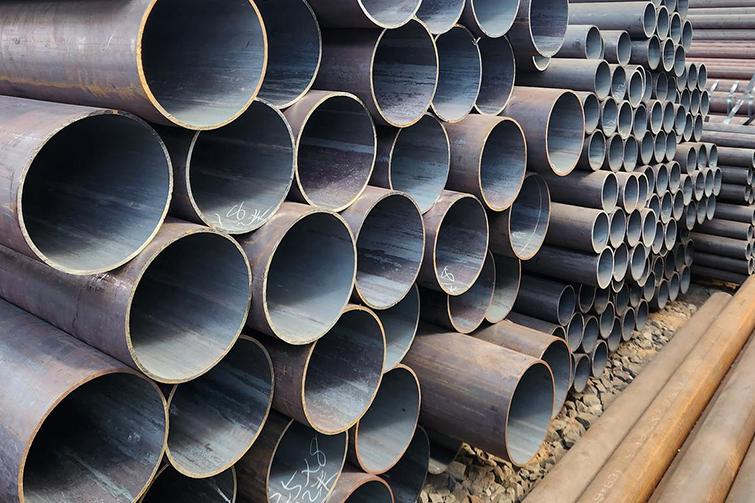
Spiral steel pipe, also known as spiral welded pipe, is a type of steel pipe manufactured by helically welding steel strips or plates. This unique construction method involves forming the steel into a cylindrical shape through a spiral seam, which is then welded to create a continuous, robust structure. The process typically uses high-frequency welding or submerged arc welding to ensure strong, leak-proof joints. Spiral pipes are widely recognized for their ability to handle high pressures and large diameters, making them ideal for demanding applications in industries such as oil and gas, water supply, and construction. Compared to other pipe types like seamless or longitudinal welded pipes, spiral pipes offer cost-effective production and flexibility in size customization, contributing to their popularity in global infrastructure projects.
Manufacturing Process and Quality Control
The production of spiral steel pipe begins with the selection of high-quality steel coils or plates, which are uncoiled and leveled to remove any imperfections. The steel is then fed into a forming machine that bends it into a spiral shape, with the edges aligned for welding. Advanced welding techniques, such as submerged arc welding (SAW), are commonly employed to create a deep, uniform weld along the seam, ensuring structural integrity. After welding, the pipe undergoes rigorous quality checks, including non-destructive testing (e.g., ultrasonic or X-ray inspection) to detect any defects. Additional steps may involve hydrostatic testing to verify pressure resistance, coating application for corrosion protection, and end finishing for easy installation. Strict adherence to international standards, such as API 5L or ASTM A139, guarantees that spiral pipes meet safety and performance requirements, making them reliable for long-term use in harsh environments.
Key Advantages and Applications
Spiral steel pipes offer numerous benefits that make them a preferred choice in various sectors. Their high strength-to-weight ratio allows for efficient material usage, reducing costs while maintaining durability. The spiral design provides excellent resistance to external pressures and bending stresses, making them suitable for underground or underwater installations. Common applications include oil and gas pipelines, where they transport crude oil and natural gas over long distances; water transmission systems for municipal and industrial use; structural supports in bridges and buildings; and piling for foundation work. In the energy sector, spiral pipes are essential for constructing transmission lines that withstand extreme temperatures and pressures. Their versatility also extends to environmental projects, such as sewage and drainage systems, where corrosion-resistant coatings enhance longevity. By choosing spiral pipes, engineers can achieve reliable performance with minimal maintenance, supporting sustainable infrastructure development worldwide.
Common Questions About Spiral Steel Pipe
What are the main differences between spiral steel pipe and seamless pipe?
Spiral steel pipe is made by welding steel strips in a spiral pattern, offering cost-effectiveness and flexibility in large diameters, while seamless pipe is produced by extruding solid steel billets, providing higher pressure resistance but at a higher cost. Spiral pipes are often preferred for applications where diameter and budget are key factors.
How does spiral pipe handle corrosion and maintenance?
Spiral pipes can be coated with materials like epoxy or polyethylene to prevent corrosion, and regular inspections using techniques like cathodic protection help maintain integrity. Proper installation and environmental considerations also play a crucial role in extending their service life.
What standards govern the quality of spiral steel pipes?
International standards such as API 5L for line pipe, ASTM A139 for water transmission, and ISO 3183 ensure that spiral pipes meet specific requirements for material, welding, and testing, ensuring safety and reliability in various applications.