




Straight Seam Welded Steel Pipe: A Comprehensive Guide to Manufacturing, Applications, and Best Practices
Introduction to Straight Seam Welded Steel Pipes
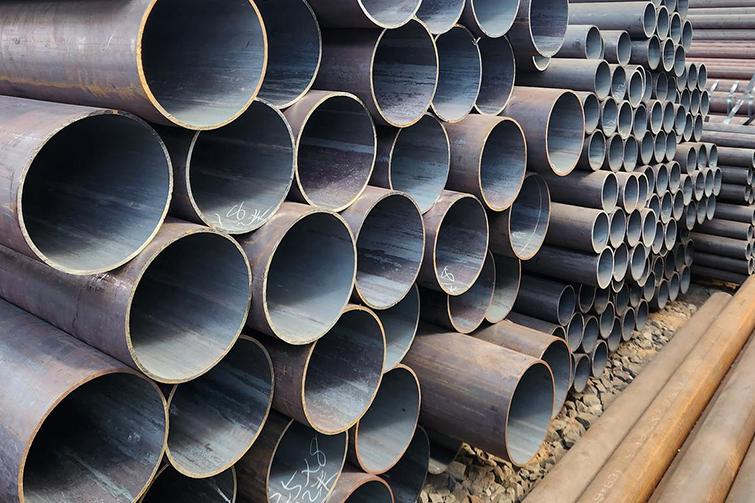
Straight seam welded steel pipes, often referred to as longitudinal welded pipes, are produced by rolling steel plates or coils into a cylindrical shape and welding the seam along the length. This method creates a strong, uniform pipe suitable for high-pressure and structural applications. Unlike spiral welded pipes, which have a helical seam, straight seam pipes offer better dimensional accuracy and are easier to inspect and maintain. They are widely used in industries such as construction, oil and gas, water supply, and mechanical engineering due to their cost-effectiveness and reliability.
Manufacturing Process and Quality Control
The production of straight seam welded steel pipes involves several key steps to ensure quality and performance. First, steel plates are cut to size and formed into a cylindrical shape using rollers. The edges are then prepared for welding, typically through processes like beveling or grinding. The welding is performed using methods such as electric resistance welding (ERW) or submerged arc welding (SAW), depending on the pipe's specifications and intended use. ERW is common for smaller diameters and lower pressures, while SAW is preferred for larger, high-strength pipes. After welding, the pipes undergo non-destructive testing, including ultrasonic or radiographic inspection, to detect any defects. Heat treatment and coating may also be applied to enhance corrosion resistance and durability.
Applications in Various Industries
Straight seam welded steel pipes are versatile and find applications across multiple sectors. In the construction industry, they are used for structural supports, scaffolding, and building frames due to their high load-bearing capacity. In oil and gas pipelines, these pipes transport fluids under high pressure, with grades selected based on environmental conditions and safety standards. Water supply systems rely on them for municipal and industrial water distribution, often with protective coatings to prevent rust. Additionally, they are used in mechanical engineering for machinery parts, automotive components, and agricultural equipment. Their adaptability makes them a preferred choice for projects requiring precise dimensions and long service life.
Selection Criteria and Best Practices
Choosing the right straight seam welded steel pipe involves considering factors such as material grade, diameter, wall thickness, and coating. Common steel grades include ASTM A53 for general use and API 5L for oil and gas applications, each with specific chemical compositions and mechanical properties. It's crucial to match the pipe to the operating conditions, such as pressure ratings and temperature ranges. For example, in corrosive environments, pipes with galvanized or epoxy coatings are recommended to extend lifespan. During installation, proper alignment and welding techniques are essential to prevent leaks and ensure structural integrity. Regular maintenance, including inspections for corrosion and damage, helps avoid failures and costly repairs.
Common Questions
What is the difference between straight seam and spiral welded pipes?
Straight seam pipes have a longitudinal weld along the length, offering better dimensional control and easier inspection, while spiral pipes have a helical seam, which can provide higher strength in some applications but may be more complex to manufacture.
How do I determine the right grade of steel for my project?
Consult industry standards like ASTM or API, and consider factors such as pressure requirements, environmental exposure, and safety regulations. For high-pressure systems, API 5L grades are often suitable, whereas ASTM A53 is common for general-purpose use.
What are the common defects to look for in these pipes?
Common defects include weld cracks, porosity, and lack of fusion, which can be detected through non-destructive testing methods. Regular inspections and adherence to quality control during manufacturing help mitigate these issues.
Can straight seam welded pipes be used for underground applications?
Yes, but they require protective coatings or cathodic protection to prevent corrosion from soil and moisture. Selecting pipes with appropriate coatings and following installation guidelines are key to ensuring longevity.