




Galvanized Steel Pipe: A Comprehensive Guide to Its English Translation and Applications
What is Galvanized Steel Pipe?
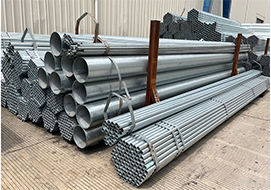
Galvanized steel pipe is a type of steel pipe that has been coated with a layer of zinc to protect it from corrosion. This process, known as galvanization, involves dipping the steel into molten zinc, which forms a protective barrier. In English, it is commonly called galvanized steel pipe or simply galvanized pipe. This translation is widely used in technical documents, engineering specifications, and everyday conversations in industries like construction and manufacturing. The zinc coating not only prevents rust but also extends the lifespan of the pipe, making it a popular choice for outdoor and harsh environments. Understanding this term is essential for anyone working with international projects or sourcing materials globally.
History and Development of Galvanization
The technique of galvanization dates back to the 19th century when it was first developed to combat the issue of rust in iron and steel products. The term galvanized comes from the name of Italian scientist Luigi Galvani, who studied electrical currents, but it was later applied to this protective coating method due to the electrochemical process involved. Over the years, advancements in technology have improved the galvanization process, leading to more durable and efficient pipes. Today, galvanized steel pipes are manufactured using hot-dip galvanizing, where the steel is immersed in a bath of molten zinc, ensuring a uniform and robust coating. This evolution has made galvanized pipes a staple in modern infrastructure, from water supply systems to structural supports in buildings.
Key Properties and Benefits
Galvanized steel pipes offer several advantages that make them superior to non-galvanized alternatives. Firstly, the zinc coating provides excellent corrosion resistance, which is vital for pipes exposed to moisture, chemicals, or outdoor elements. This resistance helps prevent leaks and failures, reducing maintenance costs over time. Additionally, galvanized pipes have high strength and durability, allowing them to withstand high pressures and mechanical stresses. They are also relatively easy to install and maintain, as the coating minimizes the need for frequent repairs. Another benefit is their cost-effectiveness; although the initial cost might be higher than some materials, the long-term savings from reduced replacement and upkeep make them a wise investment. In English-speaking regions, these properties are often highlighted in product descriptions and safety guidelines.
Common Applications in Various Industries
Galvanized steel pipes are used in a wide range of applications across different sectors. In the construction industry, they are commonly employed for structural frameworks, fencing, and handrails due to their strength and rust-proof qualities. In plumbing systems, these pipes are ideal for water supply lines, as the zinc coating prevents contamination and corrosion, ensuring safe drinking water. They are also found in agricultural settings for irrigation systems and in industrial plants for transporting gases and fluids. Moreover, galvanized pipes are used in electrical conduits to protect wiring from environmental damage. When discussing these uses in English, it's important to note that specifications often include terms like schedule 40 galvanized pipe for thicker walls or electro-galvanized pipe for lighter coatings, depending on the application requirements.
Translation and Terminology in English
When translating '镀锌钢管' to English, it is accurately rendered as galvanized steel pipe. However, variations exist based on context and regional preferences. For instance, in British English, it might be referred to as galvanised steel pipe (with an 's' instead of 'z'), but the meaning remains the same. In technical manuals, you might encounter abbreviations like GSP or detailed terms such as hot-dip galvanized steel pipe to specify the manufacturing process. It's crucial for professionals to use the correct terminology to avoid misunderstandings in international trade or collaborations. Additionally, related terms include galvanized iron pipe (though less common now, as most are steel-based) and zinc-coated pipe, which can be used interchangeably in some contexts. Always verify the specific type based on standards like ASTM or ISO to ensure accuracy.
Installation and Maintenance Tips
Proper installation and maintenance are key to maximizing the benefits of galvanized steel pipes. During installation, it's important to use compatible fittings and avoid damaging the zinc coating, as scratches can lead to localized corrosion. Tools like pipe cutters and threaders should be used carefully to maintain the integrity of the coating. For maintenance, regular inspections for signs of rust or wear are recommended. If corrosion is spotted early, it can often be treated with zinc-rich paints or recoating processes. In English, guidelines often emphasize using thread sealant on joints to prevent leaks and ensuring that pipes are not exposed to highly acidic or alkaline environments, which can degrade the zinc layer. By following these practices, the lifespan of galvanized pipes can be extended significantly, providing reliable performance for decades.
Environmental and Safety Considerations
While galvanized steel pipes are durable, there are environmental and safety aspects to consider. The galvanization process involves zinc, which can have environmental impacts if not managed properly, such as zinc runoff into water sources. However, modern facilities adhere to strict regulations to minimize these effects. From a safety perspective, galvanized pipes are generally safe for potable water, but in older systems, there might be concerns about lead contamination from the zinc coating or fittings. It's advisable to test water quality periodically. In English, safety data sheets (SDS) for these products often outline handling precautions, such as wearing gloves to avoid zinc exposure during cutting or welding. By being aware of these factors, users can ensure responsible usage and compliance with health standards.
Frequently Asked Questions
What is the difference between galvanized steel pipe and black steel pipe?
Galvanized steel pipe has a zinc coating for corrosion resistance, while black steel pipe lacks this coating and is more prone to rust. Galvanized pipes are better for outdoor or wet environments, whereas black pipes are often used for gas lines where corrosion is less of a concern.
How long does a galvanized steel pipe last?
With proper installation and maintenance, galvanized steel pipes can last 40 to 100 years, depending on the environment. In harsh conditions, the lifespan may be shorter, but regular inspections can help extend it.
Can galvanized pipes be used for drinking water?
Yes, galvanized pipes are commonly used for drinking water systems. However, in older installations, there might be risks of zinc or lead leaching, so it's important to use modern, certified products and monitor water quality.
Is galvanized steel pipe recyclable?
Absolutely, galvanized steel is highly recyclable. The steel can be melted down and reused, and the zinc coating can be recovered in the process, making it an environmentally friendly option when disposed of properly.