




Seamless Steel Pipe: A Comprehensive Guide to Its English Translation and Industrial Applications
Understanding the Translation of Seamless Steel Pipe
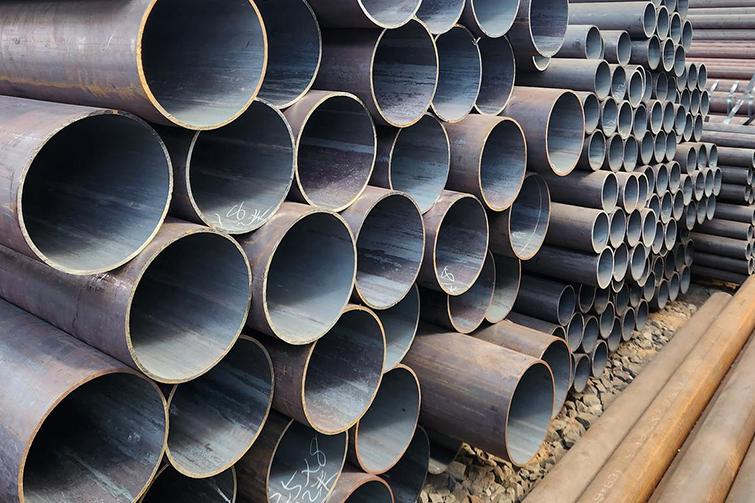
The term seamless steel pipe is the direct and widely accepted English translation for 无缝钢管. This translation accurately reflects the pipe's key characteristic: it is manufactured without any seams or welds, resulting in a uniform structure that enhances its strength and reliability. In industrial contexts, precise terminology is crucial to avoid misunderstandings in international trade and engineering projects. For instance, in specifications and technical documents, using seamless steel pipe ensures clarity and compliance with global standards. Mis translations, such as 'seamless tube' or 'welded pipe,' can lead to errors in material selection, potentially causing safety hazards or financial losses. Therefore, mastering this translation is fundamental for professionals in fields like oil and gas, construction, and manufacturing.
Key Characteristics and Manufacturing Process
Seamless steel pipes are renowned for their superior mechanical properties, including high tensile strength, corrosion resistance, and ability to withstand extreme pressures and temperatures. The manufacturing process typically involves piercing a solid billet of steel to form a hollow shell, which is then elongated and rolled to achieve the desired dimensions. This method eliminates weak points, making seamless pipes ideal for critical applications such as high-pressure fluid transport in pipelines or structural components in aerospace. Compared to welded pipes, which have seams that can be prone to failure, seamless variants offer enhanced durability and longevity. In practice, industries rely on these pipes for their consistent performance, and understanding their production helps in selecting the right type for specific needs, such as in chemical plants where corrosion resistance is paramount.
Applications Across Various Industries
The versatility of seamless steel pipes makes them indispensable in numerous sectors. In the oil and gas industry, they are used for drilling, extraction, and transportation of hydrocarbons due to their ability to handle high pressures and corrosive environments. For example, in offshore platforms, seamless pipes ensure the safe flow of oil without leaks. In construction, they serve as structural elements in buildings and bridges, providing robust support. The automotive sector utilizes them in exhaust systems and chassis components, where strength and heat resistance are critical. Additionally, in power generation, these pipes are employed in boilers and heat exchangers to manage steam and other fluids efficiently. By choosing seamless steel pipes, companies can reduce maintenance costs and enhance operational safety, as evidenced by case studies in refinery upgrades that reported fewer failures and longer service life.
Benefits and Advantages Over Alternatives
One of the primary benefits of seamless steel pipes is their uniformity and reliability. Without seams, they distribute stress evenly, reducing the risk of cracks and failures under load. This makes them safer for high-stakes applications, such as in nuclear power plants or hydraulic systems. Cost-wise, while seamless pipes may have a higher initial price than welded alternatives, their longevity and lower maintenance needs often result in lower total cost of ownership. For instance, in a comparative analysis, seamless pipes in water supply networks showed a 20% longer lifespan than welded ones, leading to significant savings over time. Moreover, they are easier to inspect and certify, as the absence of welds simplifies non-destructive testing processes. Professionals should consider these factors when making procurement decisions, balancing upfront costs with long-term benefits.
Common Questions and Answers
What is the exact English translation for 无缝钢管?
The precise translation is seamless steel pipe. It is important to use this term in technical and commercial contexts to ensure accuracy and avoid confusion with other types of pipes.
How does a seamless steel pipe differ from a welded one?
A seamless steel pipe is made from a single piece of steel without any joints, offering better strength and pressure resistance. In contrast, a welded pipe is formed by rolling and welding steel plates, which can introduce weak points at the seams.
Where are seamless steel pipes commonly used?
They are widely used in industries such as oil and gas, construction, automotive, and power generation for applications requiring high durability and safety, like pipeline systems and structural supports.
Are there any disadvantages to using seamless steel pipes?
While they excel in performance, seamless pipes can be more expensive and have longer lead times for manufacturing compared to welded pipes. However, their benefits often outweigh these drawbacks in critical applications.