



The Essential Guide to Steel Pipe for Oil and Gas: Types, Uses, and Translation Insights
Introduction to Steel Pipes in the Oil and Gas Sector
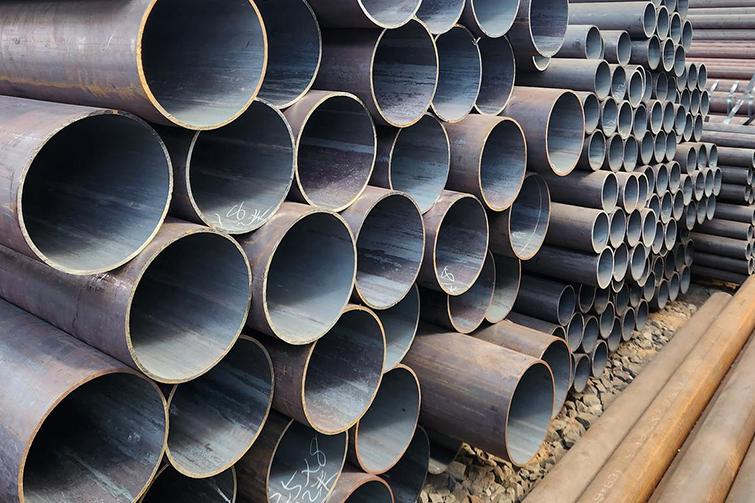
Steel pipes, often referred to as oil country tubular goods (OCTG), play a vital role in the extraction, transportation, and processing of oil and natural gas. The term 石油钢管 in Chinese translates directly to steel pipe for oil or more commonly, oil steel pipe in English. These pipes are engineered to withstand extreme pressures, corrosive environments, and high temperatures, making them indispensable in drilling, well completion, and pipeline systems. Understanding their specifications and proper translation is essential for global trade and safety compliance in the energy industry.
Types of Steel Pipes Used in Oil and Gas Applications
There are several types of steel pipes tailored for specific functions in oil and gas operations. Seamless pipes are manufactured without welding seams, offering superior strength and resistance to pressure, making them ideal for high-stress environments like deep-water drilling. In contrast, welded pipes are formed by rolling and welding steel plates, often used in less critical applications such as surface pipelines due to their cost-effectiveness. Additionally, casing pipes are used to line the wellbore and prevent collapse, while tubing pipes facilitate the flow of oil or gas to the surface. Each type must meet stringent standards, such as those from the American Petroleum Institute (API), to ensure reliability and safety in hazardous conditions.
Key Applications and Industry Standards
Steel pipes are deployed across various stages of oil and gas production. In exploration and drilling, they form the backbone of drill strings and well casings, protecting against geological shifts and fluid ingress. For transportation, large-diameter pipes in pipeline networks move crude oil and natural gas over long distances, often crossing diverse terrains. It is crucial to adhere to industry standards like API 5L for line pipe and API 5CT for casing and tubing, which specify material grades, dimensions, and testing requirements. Proper translation of terms like 石油钢管 to oil steel pipe or steel pipe for petroleum helps in international procurement and reduces misunderstandings in technical documents, ensuring that all parties are aligned on specifications and safety protocols.
Common Challenges and Solutions in Translation
Translating technical terms such as 石油钢管 can pose challenges due to contextual nuances. For instance, in some cases, it might be better translated as petroleum steel pipe to emphasize its use in the broader petroleum industry, including refining. Mis translations can lead to procurement errors or safety hazards, such as using the wrong pipe grade in high-pressure wells. To avoid this, professionals should consult standardized glossaries or use tools like the API standards, which provide clear English equivalents. Additionally, involving bilingual experts in technical reviews can ensure accuracy, especially in contracts and engineering plans where precise terminology is paramount for compliance and operational efficiency.
Frequently Asked Questions
What is the most accurate English translation for 石油钢管?
The most accurate translations are steel pipe for oil, oil steel pipe, or petroleum steel pipe, depending on the context. For technical documents, referring to specific standards like API terms ensures clarity.
Why is it important to use the correct translation in the oil and gas industry?
Using the correct translation prevents misunderstandings in specifications, reduces risks of equipment failure, and ensures compliance with international safety regulations, ultimately protecting lives and investments.
Are there different types of steel pipes for oil and gas, and how do they differ?
Yes, common types include seamless pipes for high-pressure applications and welded pipes for cost-effective transport. Differences lie in manufacturing methods, strength, and suitability for specific environments, as defined by standards like API 5CT.