




Oil Sealed Steel Pipes: Essential Guide to Selection, Installation, and Maintenance
Introduction to Oil Sealed Steel Pipes
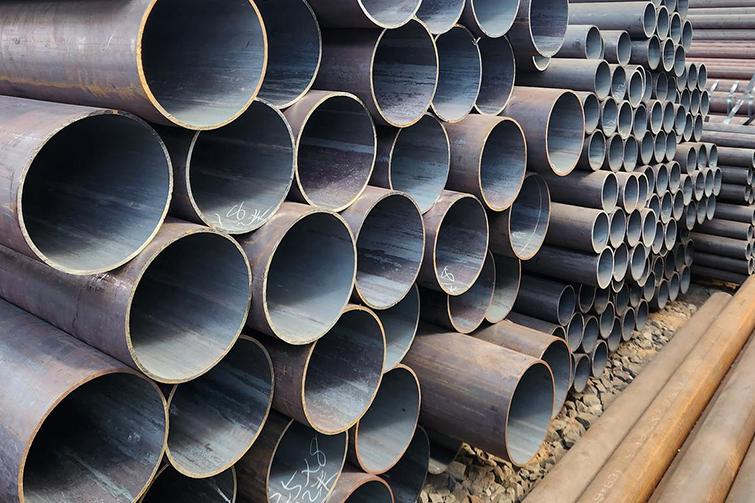
Oil sealed steel pipes, often referred to as oil-sealed steel tubes, are specialized pipes designed with an internal or external sealing mechanism that uses oil to prevent leakage and enhance durability. These pipes are commonly used in industries such as automotive, manufacturing, and construction, where they help maintain fluid integrity in hydraulic systems, lubrication lines, and other high-pressure environments. The primary function of an oil seal in these pipes is to create a barrier that stops oil or other fluids from escaping, while also protecting against external contaminants like dust and moisture. This not only extends the lifespan of the equipment but also improves safety and efficiency. Understanding the basics of oil sealed steel pipes is the first step toward making informed decisions in procurement and application.
Types and Materials of Oil Sealed Steel Pipes
There are several types of oil sealed steel pipes available, each tailored to specific needs. Common variations include carbon steel pipes with integrated seals, stainless steel options for corrosion resistance, and composite pipes that combine steel with polymer seals for flexibility. The choice of material depends on factors such as the operating temperature, pressure requirements, and environmental conditions. For instance, in high-temperature settings, stainless steel with heat-resistant seals is preferred, whereas carbon steel might be used in general industrial applications due to its cost-effectiveness. Additionally, the sealing mechanism can vary—some pipes feature lip seals, others use O-rings, and advanced designs incorporate mechanical seals for higher pressure tolerance. It's crucial to select the right type based on industry standards and manufacturer recommendations to avoid failures and ensure longevity.
Benefits of Using Oil Sealed Steel Pipes
The advantages of oil sealed steel pipes are numerous and impactful. Firstly, they offer superior leak prevention, which is vital in systems where fluid loss can lead to equipment damage or safety hazards. By maintaining a tight seal, these pipes reduce the risk of environmental contamination and costly cleanups. Secondly, they enhance durability by shielding the pipe interior from abrasive particles and corrosive elements, thereby minimizing wear and tear. This results in lower maintenance costs and fewer replacements over time. Moreover, oil sealed pipes contribute to energy efficiency by ensuring smooth fluid flow without interruptions, which can improve overall system performance. In sectors like automotive engineering, they help in achieving better fuel economy and reduced emissions. Real-world examples include their use in hydraulic excavators, where they prevent oil leaks that could cause operational downtime, saving companies significant resources.
Installation Best Practices
Proper installation is key to maximizing the benefits of oil sealed steel pipes. Start by inspecting the pipe and seals for any defects before installation. Ensure that the mating surfaces are clean and free of debris to achieve a perfect seal. Use appropriate tools, such as torque wrenches, to avoid over-tightening, which can damage the seal. It's also important to follow the manufacturer's guidelines for alignment and support to prevent stress concentrations that might lead to premature failure. In my experience, many failures occur due to improper handling during installation—for instance, twisting the pipe or using incompatible lubricants. Always use the recommended sealing compounds or oils, and consider environmental factors like temperature fluctuations that could affect the seal's integrity. For complex systems, consulting with a professional installer can prevent common pitfalls and ensure a reliable setup.
Maintenance and Troubleshooting Tips
Regular maintenance is essential to keep oil sealed steel pipes in optimal condition. Schedule periodic inspections to check for signs of wear, such as oil seepage, cracks, or corrosion. Clean the external surfaces to prevent buildup that might compromise the seal. If a leak is detected, identify the source—it could be due to seal degradation, improper installation, or external damage. Common issues include hardened seals from prolonged exposure to heat or chemical attack. To troubleshoot, first isolate the affected section and replace the seal if necessary. Using high-quality replacement parts from reputable suppliers is advisable to maintain performance. Additionally, keep a maintenance log to track inspection dates and any repairs, which can help in predicting future needs and avoiding unexpected downtime. Implementing a preventive maintenance plan can significantly extend the pipe's service life and reduce operational costs.
Common Questions
What are the main causes of failure in oil sealed steel pipes?
The primary causes include improper installation, exposure to extreme temperatures, chemical incompatibility, and physical damage. Regular inspections and using compatible materials can mitigate these risks.
How often should oil sealed steel pipes be inspected?
It depends on the application, but generally, inspect them every 6 to 12 months. In high-stress environments, more frequent checks may be necessary to ensure early detection of issues.
Can oil sealed steel pipes be used in food industry applications?
Yes, but only if they are made from food-grade materials and seals that comply with industry standards like FDA regulations. Always verify the specifications to avoid contamination.