




API 5L Steel Pipe: The Backbone of Modern Energy Infrastructure
Introduction to API 5L Steel Pipes
API 5L steel pipes, standardized by the American Petroleum Institute, are widely used in the transportation of oil, gas, and other fluids in the energy sector. These pipes are designed to withstand high pressures and harsh environmental conditions, making them a critical element in pipelines that span continents. The specification covers various grades, such as Grade B, X42, X52, X60, X65, X70, and X80, each with distinct mechanical properties tailored to different operational needs. For instance, higher grades like X80 offer superior strength, allowing for thinner pipe walls and reduced material costs, while maintaining safety standards. Understanding these grades is vital for engineers and project managers to ensure optimal performance and longevity in pipeline systems.
Key Specifications and Manufacturing Processes
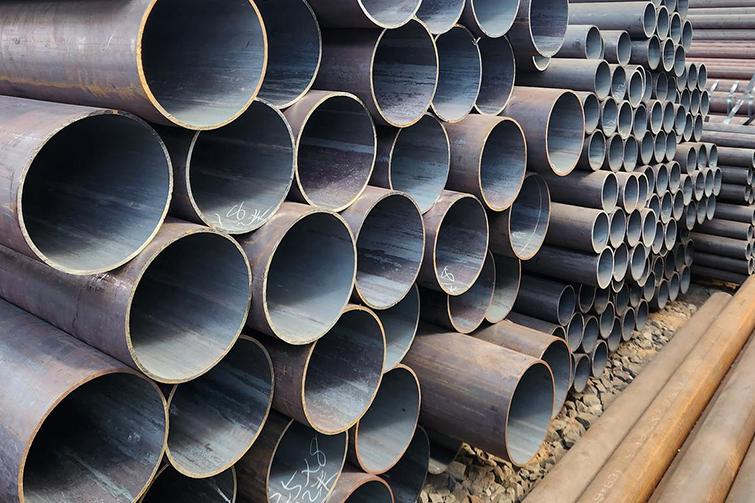
The manufacturing of API 5L pipes involves stringent processes to meet the API standards, which include requirements for chemical composition, mechanical properties, and dimensional tolerances. Common manufacturing methods include seamless and welded processes. Seamless pipes are produced by extruding solid steel billets, resulting in a uniform structure without seams, making them ideal for high-pressure applications. Welded pipes, on the other hand, are formed by rolling steel plates and welding the edges, offering cost-effectiveness for larger diameters. Quality control is paramount, with non-destructive testing methods like ultrasonic testing and hydrostatic testing employed to detect defects. Additionally, the pipes must comply with environmental regulations, such as those for corrosion resistance, often achieved through coatings like fusion-bonded epoxy or internal linings. Proper selection based on factors like operating pressure, temperature, and fluid composition can prevent failures and extend the pipeline's service life.
Applications in the Energy and Industrial Sectors
API 5L pipes are predominantly used in onshore and offshore pipelines for transporting crude oil, natural gas, and refined products. In onshore applications, they form the backbone of transmission lines that move resources from production sites to refineries and distribution centers. Offshore, these pipes are crucial for subsea pipelines that operate under extreme pressures and corrosive seawater conditions. Beyond the oil and gas industry, they find applications in water supply systems, structural supports in construction, and even in the mining sector for slurry transport. For example, in the Permian Basin in the United States, extensive networks of API 5L pipes enable efficient shale gas extraction. Their versatility and reliability make them indispensable in ensuring energy security and economic development globally.
Best Practices for Selection, Installation, and Maintenance
Selecting the right API 5L pipe involves evaluating factors such as the pipeline's design pressure, environmental conditions, and lifecycle costs. It's advisable to consult API standards and engage with certified suppliers to avoid substandard products. During installation, proper handling and welding techniques are critical to prevent issues like hydrogen-induced cracking or weld defects. Post-installation, regular maintenance, including inline inspection using smart pigs and corrosion monitoring, helps in early detection of problems. Implementing cathodic protection systems can mitigate external corrosion, while periodic hydrostatic testing ensures integrity over time. Adhering to these best practices not only enhances safety but also reduces downtime and operational costs, as seen in successful pipeline projects like the Trans-Alaska Pipeline System.
Common Questions
What are the main differences between seamless and welded API 5L pipes?
Seamless pipes have no welded seams, offering better strength and uniformity for high-pressure applications, while welded pipes are more economical and suitable for larger diameters with lower pressure requirements.
How do I choose the right grade of API 5L pipe for my project?
Consider factors like operating pressure, temperature, and the fluid's corrosiveness. Higher grades like X65 or X70 provide greater strength for demanding conditions, but consulting with engineers and referring to API specifications is essential.
What are common failure modes in API 5L pipelines, and how can they be prevented?
Common failures include corrosion, cracking, and mechanical damage. Prevention involves using protective coatings, regular inspections, and adhering to maintenance schedules as per industry standards.