





API 5L Seamless Steel Pipe: A Comprehensive Guide to Its Applications and Benefits
Introduction to API 5L Seamless Steel Pipe
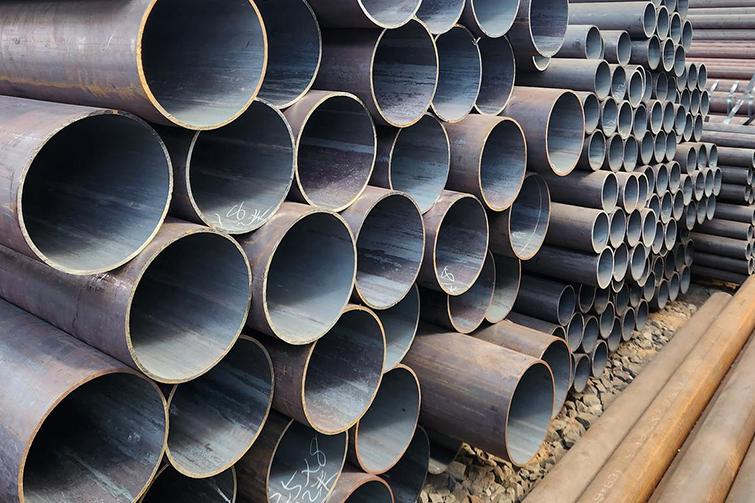
API 5L seamless steel pipe, translated as API 5L seamless steel pipe in English, is a type of pipe manufactured without any welding seams, making it ideal for high-stress applications. It conforms to the American Petroleum Institute (API) specification 5L, which sets standards for line pipe used in transporting gas, water, and oil. The seamless design ensures uniform strength and reduces the risk of failure under pressure, making it a preferred choice in industries where safety and reliability are paramount. This pipe is commonly used in pipelines, refineries, and other infrastructure projects due to its ability to withstand harsh environments and corrosive substances.
Key Features and Advantages
One of the standout features of API 5L seamless steel pipe is its high strength-to-weight ratio, which allows for efficient transportation and installation. Unlike welded pipes, seamless variants have no weak points, reducing the likelihood of leaks or ruptures. They are available in various grades, such as Grade B, X42, X52, X60, X65, X70, and X80, each tailored to specific pressure and temperature requirements. Additionally, these pipes exhibit excellent corrosion resistance when coated or treated, extending their lifespan in aggressive conditions. The smooth interior surface minimizes friction, enhancing flow efficiency in fluid transport systems. Overall, the advantages include improved safety, lower maintenance costs, and enhanced performance in critical applications like offshore drilling and long-distance pipelines.
Manufacturing Process and Quality Control
The production of API 5L seamless steel pipe involves several precise steps to ensure quality and compliance. It typically starts with hot rolling or extrusion of a solid steel billet, which is pierced and elongated to form a hollow shell without seams. This process, known as the Mannesmann method, ensures a homogeneous structure. Subsequent steps include heat treatment, sizing, and non-destructive testing (NDT) such as ultrasonic or hydrostatic tests to detect any defects. Strict adherence to API 5L standards guarantees that the pipes meet required mechanical properties, chemical composition, and dimensional tolerances. Quality control is crucial, as any deviation can lead to catastrophic failures in field operations. Manufacturers often implement traceability systems to monitor each pipe from raw material to final product, ensuring reliability in demanding environments like oil and gas transmission.
Common Applications in Industry
API 5L seamless steel pipes are widely used in the oil and gas sector for constructing pipelines that transport crude oil, natural gas, and other hydrocarbons over long distances. They are also employed in refineries, chemical plants, and power generation facilities where high-pressure and high-temperature conditions prevail. In the construction industry, these pipes serve as structural components in buildings and bridges, thanks to their robustness. Other applications include water supply systems, mining operations, and geothermal projects. For instance, in offshore platforms, seamless pipes handle the intense pressures of deep-water drilling, while in urban gas networks, they ensure safe delivery to consumers. The versatility of API 5L seamless steel pipe makes it indispensable in infrastructure development worldwide.
Selection and Maintenance Tips
When selecting an API 5L seamless steel pipe, consider factors such as the operating pressure, temperature, and environmental conditions. Choose the appropriate grade based on the application; for example, higher grades like X70 or X80 are suitable for high-pressure gas lines. It's essential to verify certifications and test reports to ensure compliance with API standards. For maintenance, regular inspections using NDT methods can detect issues like corrosion or wall thinning early. Protective coatings and cathodic protection systems can mitigate corrosion in corrosive environments. Proper handling during transportation and installation prevents mechanical damage. By following these guidelines, users can maximize the pipe's lifespan and performance, reducing downtime and costs in industrial operations.
Frequently Asked Questions
What is the difference between API 5L seamless and welded pipes?
API 5L seamless pipes are made from a single piece of steel without seams, offering higher strength and better performance under high pressure, while welded pipes have a seam that can be a potential weak point, making them more suitable for lower-pressure applications.
How do I determine the right grade of API 5L seamless pipe for my project?
Consider the operating conditions such as pressure, temperature, and the type of fluid being transported. Consult API 5L specifications or an engineer to select grades like B for general use or higher grades like X65 for more demanding environments.
What are the common challenges in using API 5L seamless steel pipes?
Challenges include higher initial costs compared to welded pipes, potential for corrosion if not properly protected, and the need for precise installation to avoid damage. Regular maintenance and adherence to standards can mitigate these issues.