





Understanding ASTM A53 Seamless Steel Pipe: A Comprehensive Guide
Introduction to ASTM A53 Seamless Steel Pipe
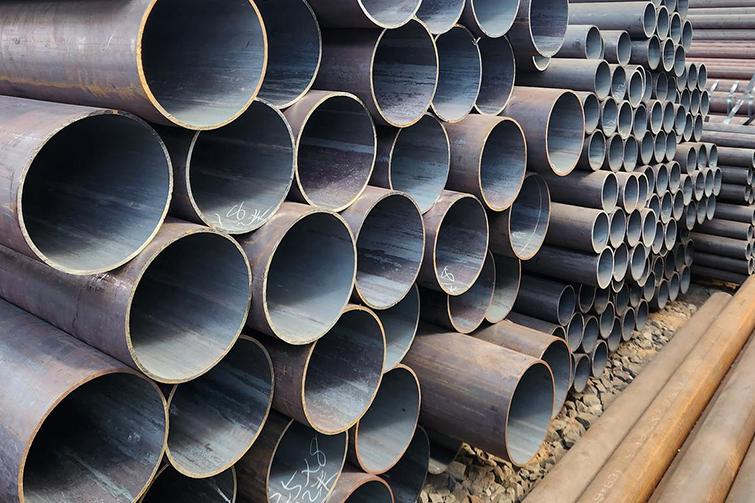
ASTM A53 seamless steel pipe is a type of carbon steel pipe that is manufactured without a welded seam, making it ideal for high-pressure and high-temperature applications. It is commonly used in industries such as oil and gas, construction, and water supply systems due to its strength and reliability. The seamless production process involves piercing a solid billet to form a hollow tube, which results in a uniform structure with fewer weak points compared to welded pipes. This makes it a preferred choice for critical infrastructure projects where safety and performance are paramount. Understanding the basics of ASTM A53 can help engineers and buyers select the right material for their specific needs, ensuring long-term efficiency and cost-effectiveness.
Key Properties and Standards
The ASTM A53 standard specifies the requirements for seamless and welded steel pipe, covering dimensions, mechanical properties, and chemical composition. For seamless pipes, it typically includes grades like Grade A and Grade B, with Grade B offering higher tensile strength and yield strength. Key properties include a minimum yield strength of 30,000 psi for Grade A and 35,000 psi for Grade B, along with good weldability and formability. The chemical composition is controlled to include elements such as carbon, manganese, and phosphorus within specified limits to ensure corrosion resistance and durability. These standards are maintained through rigorous testing, including hydrostatic or nondestructive electric tests, to verify the pipe's integrity. Adhering to these standards is crucial for compliance with safety regulations and for achieving optimal performance in various environments, from industrial plants to residential plumbing systems.
Applications and Benefits
ASTM A53 seamless steel pipe finds applications in a wide range of sectors, including plumbing for water and gas lines, structural supports in buildings, and conveyance systems in the oil and gas industry. Its seamless nature provides excellent resistance to internal pressure and external stresses, reducing the risk of leaks and failures. Benefits include high strength-to-weight ratio, ease of installation, and long service life with minimal maintenance. For instance, in plumbing systems, it ensures reliable water flow without contamination risks, while in structural uses, it offers stability and load-bearing capacity. Additionally, its compatibility with various coatings and linings enhances its corrosion resistance, making it suitable for harsh conditions. By choosing ASTM A53 seamless pipe, projects can achieve cost savings through reduced downtime and fewer replacements, while also meeting environmental and safety standards.
Selection and Installation Tips
When selecting ASTM A53 seamless steel pipe, consider factors such as the intended application, environmental conditions, and budget. For high-pressure systems, opt for Grade B with its superior strength, while for general purposes, Grade A may suffice. It's essential to verify certifications and test reports to ensure the pipe meets ASTM standards. During installation, follow best practices like proper cutting, threading, and joining techniques to maintain integrity. Use appropriate tools and avoid over-tightening fittings to prevent damage. Regular inspections and maintenance, such as checking for corrosion or wear, can extend the pipe's lifespan. Consulting with experts or referring to industry guidelines can help avoid common pitfalls, such as improper sizing or material mismatch, ensuring a smooth and efficient installation process.
Common Questions
What is the difference between ASTM A53 seamless and welded pipe?
ASTM A53 seamless pipe is made without a seam, offering better strength and pressure resistance, while welded pipe has a seam that can be a potential weak point. Seamless is preferred for high-stress applications.
How do I verify if a pipe meets ASTM A53 standards?
Check for mill test certificates that provide details on chemical composition and mechanical tests. Look for markings on the pipe indicating the grade and standard compliance.
Can ASTM A53 seamless pipe be used for outdoor applications?
Yes, but it may require protective coatings or galvanization to prevent corrosion from environmental factors like moisture and UV exposure.
What are the common sizes available for ASTM A53 seamless pipe?
Sizes range from 1/8 inch to 26 inches in nominal diameter, with various wall thicknesses. Always refer to the standard specifications for exact dimensions.
Is ASTM A53 suitable for high-temperature uses?
It can handle moderate temperatures, but for very high temperatures, other standards like ASTM A106 might be more appropriate due to better heat resistance.