





Seamless Steel Pipe ASTM A106: A Comprehensive Guide to Specifications and Applications
Introduction to ASTM A106
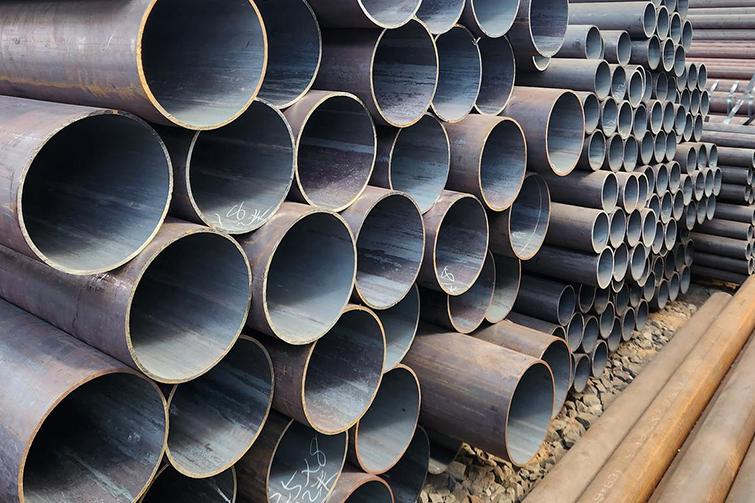
ASTM A106 is a specification established by the American Society for Testing and Materials (ASTM) for seamless carbon steel pipes designed for high-temperature applications. These pipes are commonly used in power plants, refineries, and other industrial settings where resistance to heat and pressure is crucial. The standard ensures that the pipes meet specific chemical and mechanical properties, making them reliable for critical services. Seamless construction means the pipes are formed without any welding seams, which enhances their strength and reduces the risk of failure under stress. This makes ASTM A106 pipes a preferred choice in environments where safety and durability are paramount.
Key Specifications and Grades
The ASTM A106 standard categorizes pipes into three grades: A, B, and C, each with distinct chemical compositions and mechanical properties. Grade A has a lower carbon content and is suitable for general purposes, while Grade B offers higher tensile strength and is often used in more demanding applications. Grade C provides the highest strength among the three, making it ideal for high-pressure systems. Chemical requirements include limits on elements like carbon, manganese, phosphorus, and sulfur to ensure weldability and corrosion resistance. Mechanical properties, such as tensile strength and yield strength, are rigorously tested to comply with the standard. For instance, Grade B pipes must have a minimum tensile strength of 60,000 psi, which helps in withstanding operational stresses in pipelines and boilers.
Manufacturing Process and Quality Control
The production of ASTM A106 seamless pipes involves hot working processes like extrusion or piercing, where a solid steel billet is transformed into a hollow pipe without seams. This method ensures uniformity and integrity throughout the pipe's length. Quality control is a critical aspect, with manufacturers conducting non-destructive tests, such as ultrasonic or hydrostatic testing, to detect any imperfections. Heat treatment is often applied to enhance the mechanical properties, such as normalizing or annealing, which refines the grain structure and improves toughness. Adherence to these processes guarantees that the pipes perform reliably in high-temperature environments, reducing the likelihood of leaks or failures.
Applications in Various Industries
ASTM A106 seamless pipes are extensively used in sectors like oil and gas, power generation, and chemical processing. In the oil and gas industry, they serve as conduits for transporting crude oil, natural gas, and other fluids under high pressure and temperature. Power plants utilize these pipes in boiler systems and steam lines, where they must endure extreme heat without degrading. Chemical plants rely on them for handling corrosive substances, thanks to their robust construction and compliance with safety standards. Real-world examples include their use in pipeline networks that span thousands of miles, ensuring efficient and safe fluid transport. Their versatility also extends to structural applications in construction, though this is less common due to the focus on pressure-containing services.
Advantages and Common Challenges
One of the primary advantages of ASTM A106 pipes is their seamless design, which eliminates weak points associated with welded joints, thereby enhancing longevity and reducing maintenance costs. They also offer excellent resistance to thermal expansion and corrosion when properly maintained. However, common challenges include issues with weldability and brittleness at low temperatures, which can be mitigated by selecting the appropriate grade and implementing proper welding techniques. For example, preheating during welding can prevent cracking in Grade C pipes. Regular inspections and adherence to installation guidelines are essential to avoid failures, especially in critical applications like nuclear power plants.
Frequently Asked Questions
What is the difference between ASTM A106 and other pipe standards like ASTM A53?
ASTM A106 is specifically for seamless pipes used in high-temperature service, while ASTM A53 covers both seamless and welded pipes for general use. A106 has stricter chemical and mechanical requirements, making it more suitable for critical applications.
Can ASTM A106 pipes be used for low-temperature applications?
While ASTM A106 pipes are designed for high temperatures, they can be used in low-temperature environments if the grade and material properties are verified. However, for very low temperatures, standards like ASTM A333 may be more appropriate due to better impact resistance.
How do I ensure the quality of ASTM A106 pipes during procurement?
Always source from reputable manufacturers who provide mill test certificates (MTCs) that confirm compliance with ASTM A106 specifications. Conduct visual inspections and non-destructive tests as needed to verify dimensions and integrity.