




Steel Pipes: The Backbone of Modern Infrastructure and Industry
Introduction to Steel Pipes
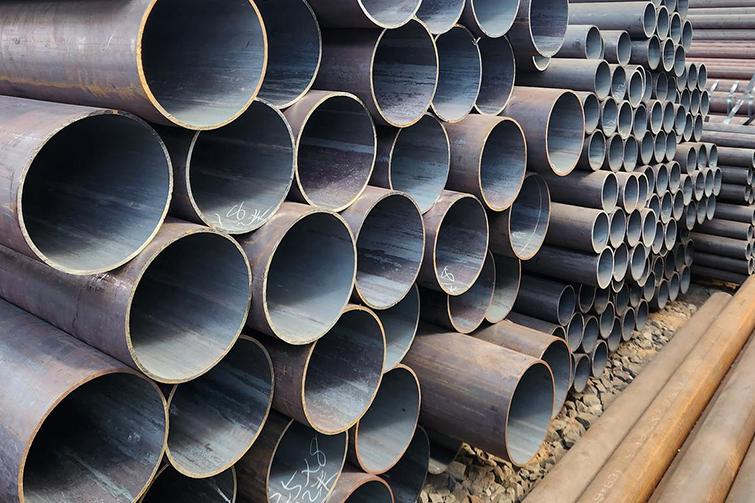
Steel pipes, often referred to as steel tubes, are hollow cylindrical structures made primarily from steel alloys. They play a critical role in various industries due to their strength, resistance to corrosion, and ability to withstand high pressures. From transporting fluids in oil and gas pipelines to supporting structural frameworks in buildings, steel pipes are indispensable in modern engineering. The evolution of steel pipe manufacturing has led to innovations that enhance efficiency and sustainability, making them a cornerstone of global infrastructure development.
Types of Steel Pipes
There are several types of steel pipes, each designed for specific applications. Seamless steel pipes are manufactured without any welding seams, making them ideal for high-pressure environments such as in the oil and gas industry. In contrast, welded steel pipes are created by rolling and welding steel plates, offering cost-effectiveness for less critical uses like water supply systems. Other varieties include galvanized steel pipes, which are coated with zinc to prevent rust, and stainless steel pipes, known for their corrosion resistance in harsh chemical environments. Understanding these types helps in selecting the right pipe for projects, ensuring safety and longevity.
Applications in Various Industries
Steel pipes find applications across multiple sectors. In construction, they are used for structural support in skyscrapers and bridges, providing the necessary strength to bear heavy loads. The energy sector relies on them for transporting oil, natural gas, and water over long distances, with pipelines spanning thousands of kilometers. Additionally, in manufacturing, steel pipes are essential in machinery and automotive parts, where precision and durability are paramount. For example, in the automotive industry, exhaust systems often use stainless steel pipes to handle high temperatures and corrosive gases. These diverse uses highlight the versatility of steel pipes in driving industrial progress.
Key Factors in Selecting Steel Pipes
When choosing steel pipes, several factors must be considered to ensure optimal performance. Material composition is crucial, as different steel grades offer varying levels of strength and corrosion resistance. For instance, carbon steel pipes are common for general purposes, while alloy steels are used in high-stress applications. Size and dimensions, such as diameter and wall thickness, affect the pipe's capacity and should match the project requirements. Environmental conditions, like exposure to moisture or chemicals, also influence the choice; in marine environments, galvanized or coated pipes are preferred to prevent degradation. Proper selection can prevent failures and reduce maintenance costs, making it a vital step in project planning.
Maintenance and Longevity
Maintaining steel pipes is essential for extending their lifespan and ensuring safety. Regular inspections for signs of corrosion, cracks, or leaks can help identify issues early. Protective coatings, such as paint or epoxy, can be applied to shield pipes from environmental damage. In industrial settings, cleaning and flushing pipelines prevent blockages and corrosion buildup. For example, in water distribution systems, periodic flushing removes sediments that could weaken the pipes. Additionally, adhering to industry standards and codes, like those from ASTM or API, ensures that maintenance practices are effective. By implementing these measures, users can maximize the durability of steel pipes, reducing the need for frequent replacements.
Common Questions
What are the main differences between seamless and welded steel pipes?
Seamless steel pipes are made from a single piece of steel without any seams, offering higher strength and better performance under high pressure, making them suitable for critical applications like oil and gas pipelines. Welded pipes, on the other hand, are formed by welding steel plates and are more economical, often used in less demanding scenarios such as water transportation or structural frameworks.
How can I prevent corrosion in steel pipes?
To prevent corrosion, use protective coatings like galvanization or epoxy, ensure proper installation to avoid moisture traps, and conduct regular inspections. In corrosive environments, selecting stainless steel or alloy pipes with higher corrosion resistance can significantly extend the pipe's life.
What standards should I follow when purchasing steel pipes?
It's important to adhere to international standards such as ASTM (American Society for Testing and Materials) or API (American Petroleum Institute) specifications. These standards define quality, dimensions, and performance criteria, helping you choose pipes that meet safety and operational requirements for your specific application.