




Mastering Steel Processing: Techniques, Applications, and Best Practices
Introduction to Steel Processing
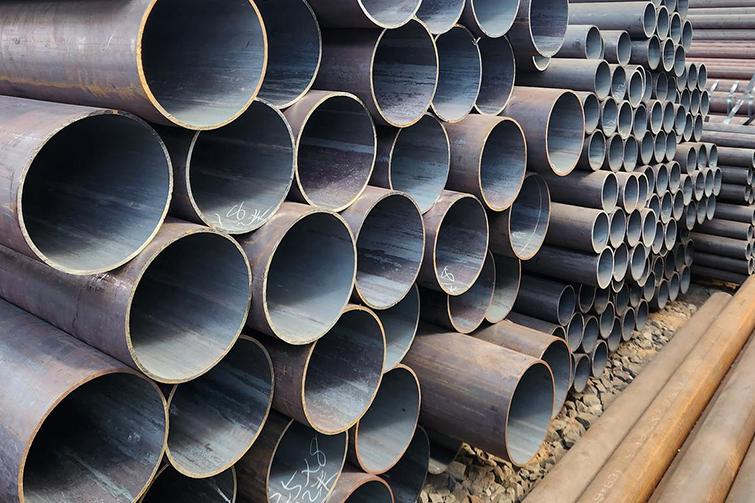
Steel processing, often referred to as steel fabrication, involves a series of operations that shape and refine steel into components for construction, manufacturing, and other industries. It starts with raw materials like iron ore and scrap, which are melted and cast into forms such as slabs or billets. From there, processes like rolling, forging, and extrusion are used to create desired shapes. Understanding the basics is essential for anyone in the field, as it lays the foundation for more advanced techniques and ensures quality outcomes.
Key Techniques in Steel Processing
Several techniques are central to steel processing, each serving specific purposes. Cutting is often the first step, using methods like sawing, shearing, or plasma cutting to size steel pieces accurately. Welding joins steel parts together, with common types including arc welding and MIG welding, which require skill to avoid defects like cracks. Machining, such as milling and turning, removes material to achieve precise dimensions and finishes. Additionally, heat treatment processes like annealing or quenching alter steel's properties, enhancing hardness or ductility. Mastering these techniques can improve efficiency and product durability.
Applications of Processed Steel
Processed steel is ubiquitous in modern society, with applications spanning multiple sectors. In construction, it forms the backbone of buildings, bridges, and infrastructure due to its strength and versatility. The automotive industry relies on steel for vehicle frames and parts, often using advanced grades for safety and weight reduction. In manufacturing, steel components are used in machinery, tools, and consumer goods. Moreover, specialized fields like aerospace and energy utilize high-performance steel alloys for demanding environments. By tailoring processing methods, steel can meet diverse needs, from everyday items to cutting-edge technology.
Best Practices for Efficient Steel Processing
To achieve optimal results in steel processing, following best practices is crucial. Start with proper planning, including design reviews and material selection based on project requirements. Use quality control measures, such as inspections and testing, to detect issues early and maintain standards. Implement safety protocols, like wearing protective gear and maintaining equipment, to prevent accidents. Additionally, consider sustainability by recycling scrap steel and optimizing energy use. Real-world experience shows that these practices not only enhance productivity but also reduce costs and environmental impact.
Common Challenges and Solutions
Steel processing can present challenges, but with the right approach, they can be overcome. Material waste is a common issue; solutions include precise cutting and reusing offcuts. Corrosion affects steel over time; applying coatings or using stainless steel can mitigate this. Complex geometries may require advanced CNC machining or 3D modeling to achieve accuracy. By staying informed about industry trends and investing in training, professionals can tackle these challenges effectively and stay competitive.
Frequently Asked Questions
What are the most common types of steel used in processing?
Common types include carbon steel, alloy steel, and stainless steel, each with different properties suited for specific applications, such as construction or food processing.
How can I improve the accuracy of steel cutting?
Use calibrated equipment, maintain sharp blades, and employ digital templates or CNC systems to ensure precise cuts and minimize errors.
What safety precautions are essential in steel processing?
Always wear protective gear like gloves and goggles, ensure proper ventilation for fumes, and follow equipment manuals to prevent injuries and health risks.