





Mastering Steel Pipe Cutting: A Comprehensive Guide to Techniques, Tools, and Best Practices
Introduction to Steel Pipe Cutting
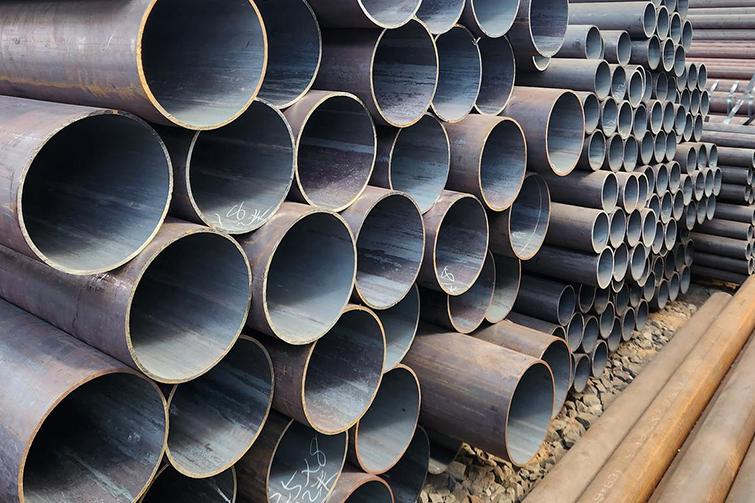
Steel pipe cutting, or the process of severing steel pipes to specific lengths or shapes, is fundamental in various sectors such as construction, automotive, and oil and gas. It involves using specialized tools and techniques to achieve clean, accurate cuts that meet project specifications. Proper cutting ensures structural integrity, reduces waste, and enhances safety. In this article, we'll delve into the essentials, from basic methods to advanced technologies, helping you master this skill for professional applications.
Common Techniques for Steel Pipe Cutting
Several techniques are employed for steel pipe cutting, each suited to different materials and requirements. Manual cutting with a hacksaw is a traditional method, ideal for small-scale projects or soft steel pipes, but it can be time-consuming and less precise. For faster results, abrasive cutting using a chop saw or angle grinder is popular; it's efficient for thick-walled pipes but may produce heat and burrs that require finishing. More advanced methods include plasma cutting, which uses a high-velocity jet of ionized gas to melt through metal, offering speed and versatility for various thicknesses. Laser cutting provides exceptional precision and clean edges, though it's often costlier and best for high-volume production. Understanding these techniques allows you to choose the right approach based on pipe diameter, material grade, and project demands.
Essential Tools and Equipment
To execute steel pipe cutting effectively, having the right tools is crucial. Basic hand tools like hacksaws, pipe cutters, and files are essential for manual work, offering portability and low cost. Power tools such as angle grinders with cutting discs and chop saws enhance efficiency for medium-duty tasks. For industrial applications, plasma cutters and laser cutting machines provide automated, high-precision capabilities. Additionally, safety gear like gloves, goggles, and ear protection is mandatory to prevent injuries from sparks, noise, and debris. Investing in quality equipment not only improves cut quality but also boosts productivity and reduces downtime.
Best Practices for Quality and Safety
Adhering to best practices ensures successful steel pipe cutting outcomes. Start by measuring and marking the pipe accurately using a tape measure and scribe to avoid errors. Secure the pipe firmly in a vise or clamp to prevent movement during cutting, which can lead to uneven cuts or accidents. When using power tools, maintain a steady hand and follow manufacturer guidelines for speed and pressure to minimize heat buildup and distortion. After cutting, deburr the edges with a file or grinder to remove sharp burrs, enhancing safety and fit for welding or assembly. Regular maintenance of tools, such as replacing worn blades or cleaning nozzles, extends their lifespan and ensures consistent performance. Always prioritize safety by wearing protective gear and working in well-ventilated areas to avoid fumes.
Common Challenges and Solutions
Steel pipe cutting can present challenges like material hardness, pipe deformation, and burr formation. For hard alloys, using appropriate cutting discs or plasma settings can prevent tool wear. To avoid deformation, especially in thin-walled pipes, employ slower cutting speeds or support the pipe internally. Burrs are common with abrasive methods; addressing them with post-cut finishing improves quality. Environmental factors, such as working outdoors or in confined spaces, may require portable tools or extra ventilation. By anticipating these issues and applying tailored solutions, you can achieve smoother operations and better results.
Frequently Asked Questions
What is the best method for cutting thick steel pipes?
For thick steel pipes, plasma cutting or abrasive saws are often recommended due to their power and ability to handle high material resistance efficiently.
How can I ensure a straight cut when using manual tools?
Use a guide or jig to keep the tool aligned, and mark the cut line clearly with a straightedge before starting to maintain accuracy.
Is laser cutting suitable for all types of steel pipes?
Laser cutting works well for many steels, but it may be less effective on highly reflective or very thick materials; consult specifications for compatibility.
What safety precautions are most important during steel pipe cutting?
Always wear protective eyewear, gloves, and hearing protection, and ensure proper ventilation to avoid inhaling fumes or dust from the cutting process.