





Thick-Walled Steel Pipes: A Comprehensive Guide to Applications, Manufacturing, and Selection
Introduction to Thick-Walled Steel Pipes
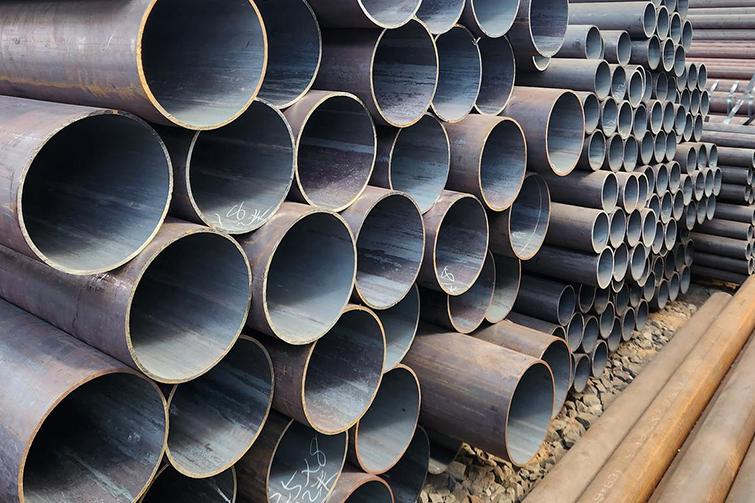
Thick-walled steel pipes, often referred to as heavy-wall pipes, are a type of steel tubing characterized by their significant wall thickness relative to their diameter. These pipes are designed to withstand high pressures, extreme temperatures, and harsh environmental conditions, making them indispensable in sectors such as oil and gas, construction, and manufacturing. Unlike thin-walled pipes, which are used for lighter applications like plumbing, thick-walled versions provide enhanced structural integrity and longevity, ensuring safety and reliability in critical operations. Understanding their properties and uses can help professionals make informed decisions when selecting materials for projects.
Key Applications and Industries
Thick-walled steel pipes are widely utilized across multiple industries due to their robustness. In the oil and gas sector, they are commonly used for drilling, transportation, and storage of hydrocarbons, where they must resist corrosion and high internal pressures. In construction, these pipes serve as structural supports in bridges, buildings, and infrastructure projects, offering stability under heavy loads. Additionally, they play a vital role in manufacturing equipment, such as boilers and pressure vessels, where durability is paramount. Other applications include mining, where they handle abrasive materials, and aerospace, for components requiring precision and strength. By choosing the right pipe specifications, industries can optimize performance and reduce maintenance costs.
Manufacturing Processes and Materials
The production of thick-walled steel pipes involves several advanced techniques to ensure quality and consistency. Common methods include seamless pipe manufacturing, where a solid steel billet is pierced and rolled to form a hollow tube without seams, resulting in uniform strength. Another approach is welded pipe production, where steel plates are formed and welded along the seam, suitable for larger diameters. Materials typically used are carbon steel, alloy steel, or stainless steel, each offering distinct advantages like corrosion resistance or high-temperature tolerance. Quality control measures, such as non-destructive testing and heat treatment, are crucial to detect defects and enhance mechanical properties. By understanding these processes, buyers can select pipes that meet specific industry standards and regulatory requirements.
Selection Criteria and Best Practices
Choosing the right thick-walled steel pipe requires careful consideration of several factors. First, assess the operating conditions, including pressure, temperature, and environmental exposure, to determine the necessary material grade and wall thickness. For example, in corrosive environments, stainless steel or coated pipes may be preferable. Second, verify compliance with standards like ASTM or API, which ensure safety and performance. Third, consider cost-effectiveness by balancing initial investment with long-term maintenance needs. It's also advisable to consult with suppliers for custom solutions and conduct regular inspections to prevent failures. By following these best practices, users can extend the lifespan of pipes and minimize downtime in critical applications.
Maintenance and Common Challenges
Proper maintenance is key to maximizing the service life of thick-walled steel pipes. Regular inspections should focus on detecting signs of corrosion, wear, or cracks, especially in high-stress areas. Techniques like ultrasonic testing can identify internal flaws without damaging the pipe. Common challenges include scaling from mineral deposits, which can reduce flow efficiency, and fatigue from cyclic loading. To address these issues, implement preventive measures such as applying protective coatings, using inhibitors in fluids, and ensuring proper installation to avoid misalignment. In case of damage, timely repairs or replacements are essential to avoid catastrophic failures. By adopting a proactive maintenance strategy, industries can enhance safety and reduce operational costs over time.
Frequently Asked Questions
What is the difference between thick-walled and thin-walled steel pipes?
Thick-walled steel pipes have a higher wall thickness relative to their diameter, making them suitable for high-pressure and heavy-duty applications, while thin-walled pipes are used for lighter tasks like plumbing or low-pressure systems due to their flexibility and lower cost.
How do I determine the right wall thickness for my project?
Consider factors such as internal pressure, external loads, and safety margins; consulting engineering standards or a professional engineer can help calculate the optimal thickness based on specific requirements.
Are thick-walled steel pipes resistant to corrosion?
Resistance depends on the material; for example, stainless steel offers good corrosion resistance, but carbon steel may require coatings or inhibitors in corrosive environments to prevent degradation.
What are the common manufacturing defects to watch out for?
Look for issues like seams in welded pipes, inclusions, or uneven thickness, which can be detected through quality control tests like X-ray or ultrasonic inspection before installation.
Can thick-walled steel pipes be recycled?
Yes, steel is highly recyclable; old pipes can be melted down and reused, making them an environmentally friendly option when properly managed at the end of their lifecycle.