




The Versatile World of Square Steel Tubes: Applications, Benefits, and Selection Tips
Introduction to Square Steel Tubes
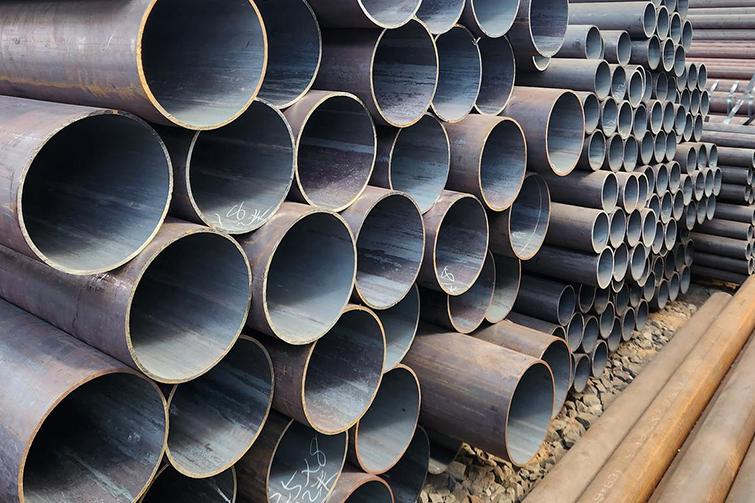
Square steel tubes, also known as square hollow sections (SHS), are a type of structural steel with a square cross-section. They are widely used in various industries due to their excellent load-bearing capacity and aesthetic appeal. Made from carbon steel or alloy steel, these tubes are produced through processes like hot rolling or cold forming, resulting in a product that combines strength with relatively lightweight properties. In construction, they serve as essential elements for frameworks, supports, and decorative features, while in manufacturing, they are utilized in machinery, furniture, and automotive parts. Their popularity stems from their ability to withstand high stress and resist deformation, making them a go-to choice for engineers and designers seeking reliable and efficient materials.
Key Applications in Different Industries
In the construction sector, square steel tubes are indispensable for building frameworks, such as in skyscrapers, bridges, and residential structures. They provide robust support for beams, columns, and trusses, ensuring stability and safety. For example, in modern architecture, they are often used in exposed structural designs to create sleek, industrial looks. In manufacturing, these tubes are employed in the production of heavy machinery, agricultural equipment, and conveyor systems, where their durability reduces maintenance needs. Additionally, the automotive industry relies on them for chassis components and roll cages, enhancing vehicle safety. Beyond industrial uses, square steel tubes are also popular in DIY projects and furniture making, offering a sturdy base for tables, shelves, and outdoor structures like pergolas. Their versatility allows for customization through cutting, welding, and painting, making them adaptable to diverse creative and functional needs.
Advantages of Using Square Steel Tubes
The primary benefit of square steel tubes is their high strength-to-weight ratio, which means they can support significant loads without being excessively heavy. This makes them cost-effective for transportation and installation. They also exhibit excellent resistance to corrosion, especially when galvanized or coated, prolonging their lifespan in harsh environments. Another advantage is their uniformity in shape, which simplifies design and assembly processes, reducing labor time and errors. From an environmental perspective, steel is highly recyclable, contributing to sustainable building practices. Moreover, square steel tubes offer aesthetic flexibility; their clean lines and smooth surfaces can be left exposed for a modern look or covered for traditional applications. In terms of safety, they meet stringent industry standards for fire resistance and structural integrity, providing peace of mind in critical projects. Overall, these tubes deliver a balance of performance, economy, and sustainability that few other materials can match.
How to Choose the Right Square Steel Tube
Selecting the appropriate square steel tube involves considering several factors to ensure optimal performance. First, determine the required dimensions, such as wall thickness and side length, based on the load and stress calculations for your project. Thicker walls generally offer greater strength but may increase weight and cost. Next, consider the material grade; common options include ASTM A500 for general structural use or higher grades like A513 for precision applications. The manufacturing process also matters—hot-rolled tubes are ideal for heavy-duty construction, while cold-formed ones are better for precise, lightweight needs. Don't forget about surface treatments; galvanizing or painting can enhance corrosion resistance, especially in outdoor or humid conditions. It's advisable to consult with suppliers or engineers to verify compliance with local building codes and standards. Additionally, budget constraints should be balanced with quality; opting for certified products from reputable manufacturers can prevent issues like premature failure. By carefully evaluating these aspects, you can make an informed decision that maximizes durability and efficiency.
Common Questions
What is the difference between square steel tubes and rectangular ones?
Square steel tubes have equal side lengths, providing uniform strength in all directions, which is ideal for symmetrical loads. Rectangular tubes have different side lengths, offering varied strength profiles and are often used where space constraints or specific load distributions exist, such as in framing for doors or windows.
How do I maintain square steel tubes to prevent rust?
Regular maintenance includes cleaning with mild soap and water to remove dirt, applying protective coatings like paint or sealant, and inspecting for scratches or damage. In corrosive environments, consider using galvanized or stainless steel tubes and ensure proper drainage to avoid water accumulation.
Can square steel tubes be welded easily?
Yes, square steel tubes are generally weldable using standard techniques like MIG or TIG welding. However, it's important to use the correct filler materials and follow safety guidelines to avoid weakening the structure. Preheating may be necessary for thicker tubes to prevent cracking.