




Steel Sections: The Backbone of Modern Construction and Engineering
Introduction to Steel Sections
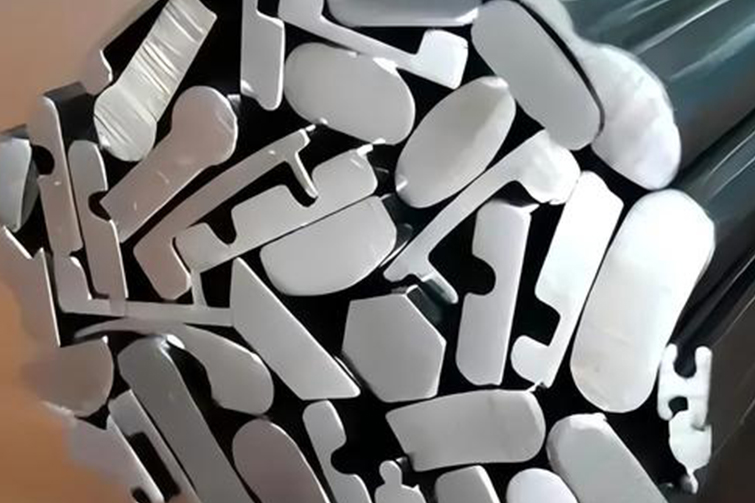
Steel sections, often referred to as structural steel shapes, are essential elements in modern infrastructure. They are manufactured through processes like hot-rolling or cold-forming, resulting in standardized profiles such as I-beams, H-beams, channels, and angles. These shapes are designed to bear loads efficiently, making them indispensable in buildings, bridges, and industrial projects.
Types of Steel Sections
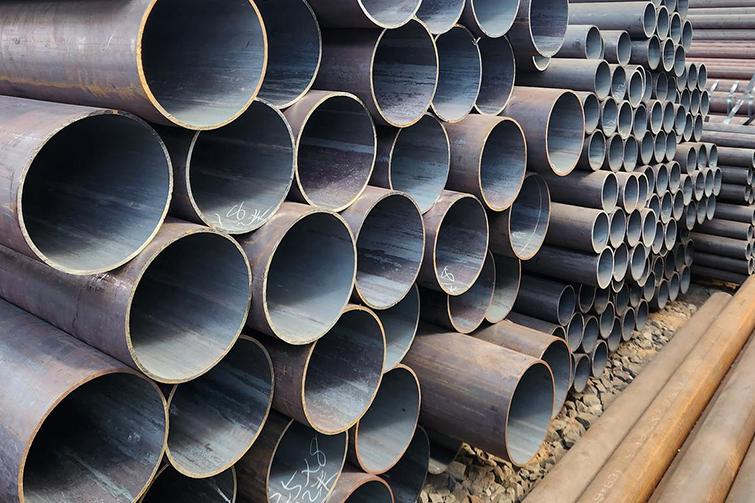
There are several common types of steel sections, each with unique properties. I-beams and H-beams are widely used for their high strength-to-weight ratio, ideal for supporting heavy loads in frameworks. Channels and angles provide versatility for bracing and framing, while tubes and hollow sections offer excellent resistance to torsion and bending. Understanding these variations helps in selecting the right material for specific applications.
Applications in Construction
In construction, steel sections serve as the backbone of structures, from skyscrapers to residential homes. They are used in beams, columns, and trusses, ensuring stability and safety. For example, in high-rise buildings, steel frames allow for flexible designs and rapid assembly. Bridges rely on steel sections for their durability under dynamic loads, while industrial facilities use them in machinery supports and storage racks.
Benefits of Using Steel Sections
The advantages of steel sections are numerous. They offer superior strength and durability, with a long lifespan that reduces maintenance costs. Steel is also recyclable, making it an environmentally friendly choice. Additionally, its versatility allows for prefabrication, speeding up construction timelines. Compared to materials like concrete, steel sections provide better resistance to earthquakes and fires when properly treated.
Common Challenges and Solutions
Despite their benefits, steel sections face challenges such as corrosion and high initial costs. To combat corrosion, protective coatings like galvanization or painting are applied. Regular inspections and maintenance can extend their service life. For cost concerns, optimizing design and using recycled steel can make projects more economical. Proper installation and adherence to standards are crucial to avoid structural failures.
Future Trends in Steel Section Usage
The future of steel sections looks promising with advancements in technology. Innovations like high-strength steel alloys and 3D printing are enhancing performance and customization. Sustainable practices, such as using renewable energy in production, are gaining traction. As urbanization continues, the demand for efficient and eco-friendly steel solutions is expected to grow, driving further research and development.
Frequently Asked Questions
What are the most common types of steel sections?
Common types include I-beams, H-beams, channels, angles, and tubes, each suited for different structural needs based on load-bearing capacity and shape.
How do steel sections compare to other materials like concrete?
Steel sections offer higher strength-to-weight ratios, faster construction times, and better recyclability, but they may require more protection against corrosion compared to concrete.
What maintenance is required for steel sections?
Regular inspections for rust or damage, along with applying protective coatings, are key to maintaining steel sections and ensuring their longevity in harsh environments.