




The Comprehensive Guide to 50x100 Square Tubes: Applications, Benefits, and Selection Tips
Introduction to 50x100 Square Tubes
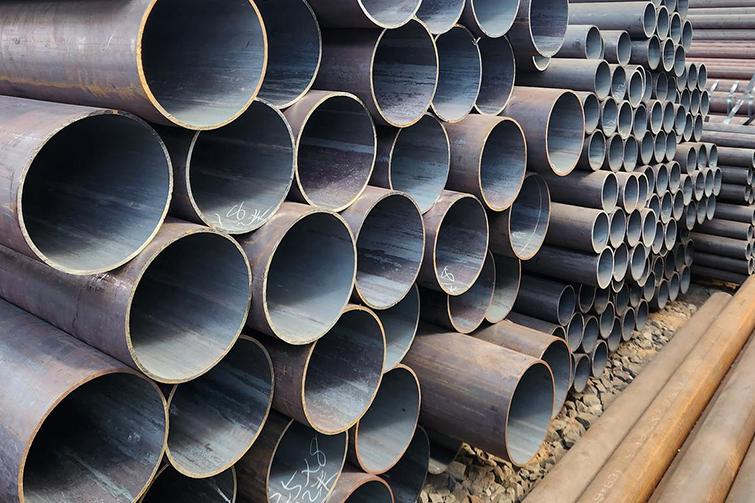
50x100 square tubes, often referred to as rectangular hollow sections (RHS), are structural steel members with a cross-sectional dimension of 50 millimeters by 100 millimeters. These tubes are commonly made from materials like carbon steel, stainless steel, or aluminum, offering a balance of strength, durability, and versatility. In the construction and industrial sectors, they serve as essential elements for frameworks, supports, and custom fabrications. The standardized size makes them easy to source and integrate into various designs, while their hollow nature reduces weight without compromising structural integrity. Understanding their basic properties is the first step toward leveraging their full potential in projects ranging from small DIY builds to large-scale infrastructure.
Key Applications in Industry and Construction
50x100 square tubes find extensive use across multiple industries due to their robust design. In construction, they are frequently employed for building frames, such as in warehouses, bridges, and residential structures, where they provide reliable support for loads and resist bending forces. In manufacturing, these tubes are used to create machinery frames, conveyor systems, and storage racks, thanks to their ability to withstand stress and vibration. Additionally, in the automotive and aerospace sectors, they contribute to lightweight yet strong chassis and components. For example, in a recent project, a team utilized 50x100 square tubes to construct a durable greenhouse frame, ensuring stability against wind and snow loads. Their adaptability also extends to artistic installations and furniture design, where aesthetics meet functionality.
Benefits of Using 50x100 Square Tubes
The advantages of 50x100 square tubes are numerous, making them a preferred choice for engineers and builders. Firstly, their high strength-to-weight ratio allows for efficient material usage, reducing costs and simplifying transportation. This is particularly beneficial in large-scale projects where weight savings translate to lower foundation requirements. Secondly, the hollow cross-section provides excellent resistance to torsional and bending stresses, enhancing safety and longevity. Thirdly, these tubes are easy to fabricate, as they can be cut, welded, and drilled with standard tools, facilitating quick assembly on-site. Moreover, their uniform shape ensures consistent performance and ease of integration with other components. From an environmental perspective, using steel tubes often supports recycling efforts, contributing to sustainable building practices.
Selection and Sourcing Considerations
When choosing 50x100 square tubes, several factors must be considered to ensure optimal performance. Material selection is crucial; carbon steel offers cost-effectiveness and strength for general purposes, while stainless steel provides corrosion resistance for harsh environments, and aluminum is ideal for lightweight applications. Thickness, or wall gauge, also plays a key role—thicker walls increase load-bearing capacity but add weight, so balancing this with project requirements is essential. It's advisable to source from reputable suppliers who provide certifications for quality and compliance with standards like ASTM or EN. In my experience, conducting a thorough cost-benefit analysis and consulting with structural engineers can prevent issues such as over-specification or underperformance. Additionally, consider factors like coating options (e.g., galvanization for rust protection) and availability in local markets to streamline procurement.
Installation and Maintenance Best Practices
Proper installation and maintenance are vital for maximizing the lifespan of 50x100 square tubes. During installation, ensure accurate measurements and alignment to avoid stress concentrations that could lead to failure. Use appropriate welding techniques, such as MIG or TIG welding, and follow safety protocols to prevent accidents. For connections, bolts or rivets can be used as alternatives to welding, depending on the design. After installation, regular inspections should be conducted to check for signs of corrosion, cracks, or deformation, especially in outdoor or high-load environments. Applying protective coatings or paints can extend durability, and in corrosive settings, periodic cleaning is recommended. A common mistake is neglecting maintenance, which can result in costly repairs; thus, establishing a routine schedule based on usage conditions is a proactive approach.
Common Questions
What are the standard lengths available for 50x100 square tubes?
50x100 square tubes are typically available in standard lengths of 6 meters or 20 feet, but suppliers may offer custom cuts to suit specific project needs. It's best to confirm with your provider to avoid waste and ensure compatibility.
How do I calculate the weight of a 50x100 square tube for my project?
To calculate weight, use the formula: Weight = (Cross-sectional area) × (Length) × (Material density). For a carbon steel tube with a wall thickness of 3 mm, the approximate weight per meter is around 7.5 kg, but consult manufacturer data for precise figures based on material and gauge.
Can 50x100 square tubes be used for outdoor structures without rusting?
Yes, but protection is key. Choose materials like galvanized steel or stainless steel for outdoor use, and apply additional coatings or paints to prevent rust. Regular maintenance, such as cleaning and inspecting for damage, will further enhance longevity in exposed conditions.