




Hot-Dip Galvanized Square Tubes: The Ultimate Guide to Durability and Versatility
What Are Hot-Dip Galvanized Square Tubes?
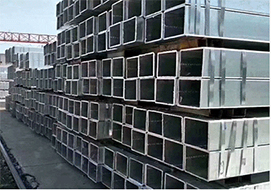
Hot-dip galvanized square tubes are steel tubes with a square cross-section that have undergone a hot-dip galvanization process. This involves immersing the steel in molten zinc, creating a protective coating that bonds metallurgically to the surface. This coating provides excellent resistance to rust and corrosion, making these tubes ideal for harsh environments. The square shape offers structural advantages, such as ease of welding and assembly, compared to round tubes. Commonly used in construction, agriculture, and manufacturing, they are a versatile choice for projects requiring durability and strength.
Benefits of Using Hot-Dip Galvanized Square Tubes
The primary benefit of hot-dip galvanized square tubes is their long-lasting corrosion protection. The zinc coating acts as a barrier against moisture and chemicals, significantly extending the lifespan of the steel. This reduces maintenance costs and downtime, making them a cost-effective solution over time. Additionally, the galvanization process ensures uniform coverage, even on edges and corners, which are prone to wear. Other advantages include enhanced aesthetic appeal, as the shiny zinc finish can be left exposed or painted, and improved fire resistance compared to untreated steel. For applications like outdoor structures or marine settings, these tubes provide reliable performance in challenging conditions.
Common Applications in Industry and Construction
Hot-dip galvanized square tubes are widely used across various sectors due to their robustness. In construction, they serve as structural supports for buildings, bridges, and frameworks, offering stability and load-bearing capacity. In agriculture, they are used for fencing, greenhouse structures, and equipment frames, where exposure to weather and chemicals is common. Industrial applications include machinery guards, conveyor systems, and storage racks, where corrosion resistance is crucial for safety and efficiency. Their versatility also extends to artistic and architectural projects, where their clean lines and durability are valued. By choosing the right size and thickness, professionals can tailor these tubes to specific needs, ensuring optimal performance.
How to Select the Right Hot-Dip Galvanized Square Tube
Selecting the appropriate hot-dip galvanized square tube involves considering several factors to ensure it meets project requirements. First, assess the environmental conditions, such as humidity or chemical exposure, to determine the necessary coating thickness. Standard coatings range from 45 to 85 microns, with thicker coatings offering better protection in severe environments. Next, evaluate the mechanical properties, including yield strength and tensile strength, which depend on the steel grade. Common grades include ASTM A500 for structural use. Size and dimensions, such as wall thickness and square side length, should match load-bearing needs. It's also important to source from reputable manufacturers who adhere to quality standards like ISO 1461. Consulting with engineers or suppliers can help in making an informed decision.
Maintenance and Best Practices for Longevity
While hot-dip galvanized square tubes are low-maintenance, proper care can further extend their service life. Regular inspections for damage or wear in the zinc coating are recommended, especially in high-traffic areas. Minor scratches can be repaired with zinc-rich paint to prevent rust from spreading. Avoid exposing the tubes to extreme pH levels or abrasive materials that might degrade the coating. In coastal areas, rinsing with fresh water can remove salt deposits that accelerate corrosion. For storage, keep tubes in a dry, well-ventilated space to prevent moisture buildup. Following these practices ensures that the tubes remain functional and aesthetically pleasing for decades, maximizing return on investment.
Frequently Asked Questions
What is the difference between hot-dip galvanized and electroplated square tubes?
Hot-dip galvanization involves immersing steel in molten zinc, creating a thick, durable coating that bonds metallurgically. Electroplating uses an electrical current to deposit a thinner zinc layer, which is less robust and more prone to peeling. Hot-dip is preferred for outdoor or heavy-duty applications due to its superior corrosion resistance.
How long do hot-dip galvanized square tubes typically last?
The lifespan depends on environmental factors, but in moderate conditions, they can last 50 years or more. In harsh environments like coastal areas, with proper maintenance, they may still exceed 20 years. The zinc coating sacrificially protects the steel, slowing degradation over time.
Can hot-dip galvanized square tubes be welded or painted?
Yes, they can be welded, but it requires care to avoid damaging the zinc coating. Use low-heat techniques and clean the area afterward to reapply zinc if needed. Painting is also possible for aesthetic purposes; however, the surface must be cleaned and primed to ensure adhesion, as the zinc finish can be smooth.