




Steel Pipe Support Fabrication: A Comprehensive Guide to Processes, Applications, and Best Practices
Introduction to Steel Pipe Support Fabrication
Steel pipe support fabrication is an essential aspect of modern construction and industrial engineering, playing a vital role in ensuring the stability and longevity of piping systems. This process involves the creation of supports that hold pipes in place, preventing sagging, vibration, and potential failures. In industries such as oil and gas, power generation, and infrastructure development, proper fabrication is crucial for safety and efficiency. The term steel pipe support fabrication translates directly to English, emphasizing its global relevance in engineering projects. By understanding the fundamentals, professionals can optimize designs and reduce risks associated with improper installation.
Key Processes in Fabrication
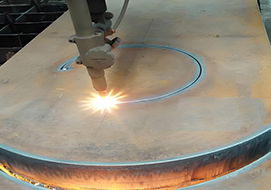
The fabrication of steel pipe supports typically begins with design and planning, where engineers assess load requirements, environmental conditions, and material specifications. Common steps include cutting steel components to precise dimensions using tools like saws or plasma cutters, followed by welding to assemble the supports. Welding techniques, such as MIG or TIG, must be chosen based on the steel grade and application to ensure strong, durable joints. After assembly, supports often undergo surface treatments like galvanizing or painting to protect against corrosion. Quality control checks, including non-destructive testing, are essential to verify integrity before installation. For example, in a refinery project, supports might be fabricated to withstand high temperatures and chemical exposure, requiring specialized alloys and rigorous testing protocols.
Materials and Standards
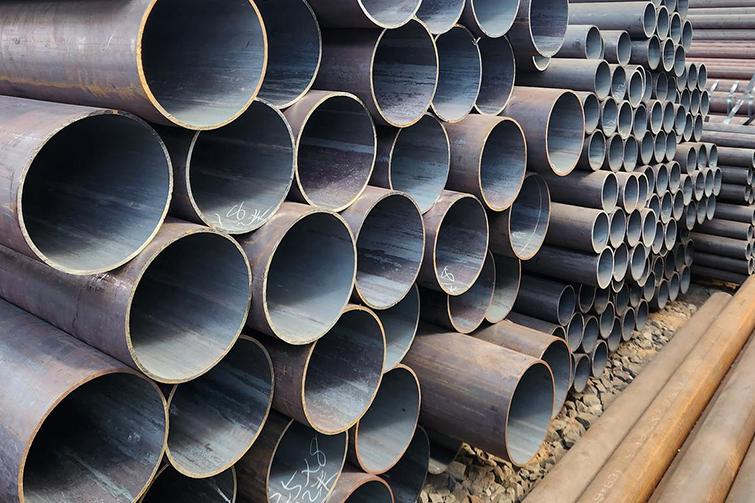
Selecting the right materials is a cornerstone of effective steel pipe support fabrication. Common materials include carbon steel, stainless steel, and alloy steels, each chosen for properties like strength, corrosion resistance, and cost-effectiveness. Carbon steel is widely used for its affordability and durability in general applications, while stainless steel is preferred in corrosive environments, such as chemical plants. Standards from organizations like ASTM or ISO provide guidelines for material grades, dimensions, and fabrication practices, ensuring consistency and safety. Adhering to these standards helps prevent failures and ensures compliance with regulatory requirements. For instance, using ASTM A36 steel for supports in a building project can provide reliable performance under typical loads.
Applications Across Industries
Steel pipe supports find applications in diverse sectors, from residential plumbing to large-scale industrial complexes. In the oil and gas industry, they are used to secure pipelines that transport fluids over long distances, often in harsh environments like offshore platforms. In power plants, supports help manage thermal expansion and vibration in steam and water pipes, critical for operational efficiency. Infrastructure projects, such as bridges and tunnels, rely on fabricated supports to maintain pipe alignment and prevent damage from external forces. Each application demands tailored fabrication approaches; for example, seismic zones may require supports with flexible joints to absorb shocks. By understanding these contexts, fabricators can design supports that meet specific functional needs.
Common Challenges and Solutions
Fabricators often face challenges such as material defects, welding inconsistencies, and installation errors. Material issues, like impurities in steel, can weaken supports, so sourcing from reputable suppliers and conducting inspections is key. Welding problems, such as porosity or cracks, can be mitigated by using proper techniques and post-weld treatments like stress relieving. During installation, misalignment or inadequate anchoring can lead to failures, emphasizing the need for precise measurements and skilled labor. Implementing best practices, such as regular training and using advanced software for design simulations, can address these challenges. For example, in a recent project, using 3D modeling helped identify potential interference issues before fabrication, saving time and resources.
Best Practices for Quality Assurance
To ensure high-quality steel pipe support fabrication, professionals should follow a systematic approach. Start with thorough design reviews, considering factors like load calculations and environmental exposure. Use certified materials and maintain detailed documentation throughout the process. Employ skilled welders and conduct regular inspections, including visual checks and ultrasonic testing, to detect flaws early. After fabrication, perform load tests to verify performance under simulated conditions. Collaboration between engineers, fabricators, and installers is crucial for seamless integration. For instance, in a manufacturing plant, adopting a quality management system like ISO 9001 can standardize processes and improve outcomes. By prioritizing safety and precision, projects can achieve long-term reliability.
Frequently Asked Questions
What is the typical lifespan of fabricated steel pipe supports?
The lifespan varies based on materials, environment, and maintenance, but well-fabricated supports can last 20-50 years or more. Regular inspections and protective coatings can extend durability.
How do I choose between carbon steel and stainless steel for supports?
Consider factors like corrosion risk, budget, and load requirements. Carbon steel is cost-effective for general use, while stainless steel is better for corrosive or high-temperature settings.
What are common welding defects to avoid in fabrication?
Defects like porosity, undercut, and lack of fusion can weaken joints. Proper training, equipment calibration, and post-weld inspections help prevent these issues.
Are there environmental regulations for steel pipe support fabrication?
Yes, regulations may cover emissions from welding, waste disposal, and material sourcing. Compliance with local and international standards, such as EPA guidelines, is essential.
Can fabricated supports be customized for unique projects?
Absolutely, customization is common to meet specific design needs. Working with experienced fabricators allows for tailored solutions, such as adjustable supports or special coatings.