





Galvanized Seamless Steel Pipe: A Comprehensive Guide to Its Applications, Benefits, and Translation in English
Introduction to Galvanized Seamless Steel Pipe
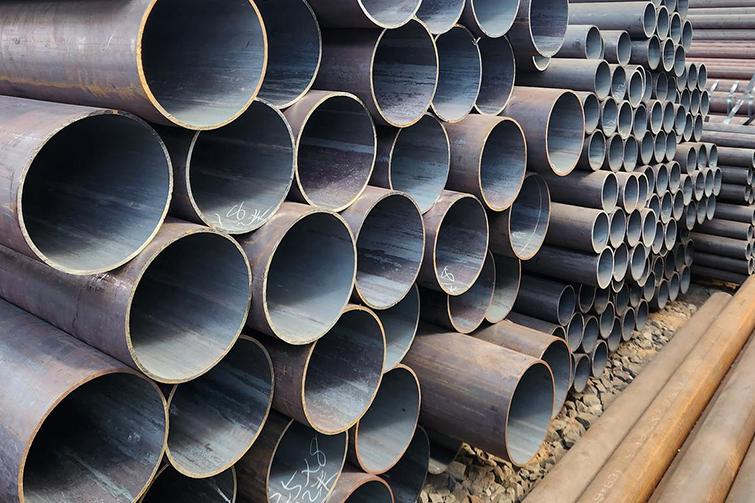
Galvanized seamless steel pipe is a type of steel tubing that is manufactured without any seams or welds, ensuring uniform strength and durability. The term "galvanized" refers to the process of applying a protective zinc coating to the steel surface, which prevents rust and corrosion. In English, it is accurately translated as "galvanized seamless steel pipe". This translation is widely used in technical documents, industry standards, and international trade, making it essential for clear communication in global markets. The seamless nature of the pipe means it is produced through methods like hot rolling or cold drawing, resulting in a smooth interior and exterior that enhances fluid flow and structural integrity.
Key Applications in Various Industries
Galvanized seamless steel pipes are versatile and find applications across multiple sectors. In the construction industry, they are commonly used for structural supports, scaffolding, and plumbing systems due to their high strength and resistance to environmental factors. For example, in building frameworks, these pipes provide reliable support without the risk of leaks or weak points from seams. In the oil and gas sector, they serve as conduits for transporting fluids under high pressure, where seamless construction minimizes the risk of failure. Additionally, in automotive manufacturing, they are used in exhaust systems and chassis components, benefiting from the corrosion protection that extends vehicle lifespan. Other industries, such as agriculture and water treatment, also rely on these pipes for irrigation and distribution networks, where durability is paramount.
Benefits of Using Galvanized Seamless Steel Pipe
The advantages of galvanized seamless steel pipe are numerous, making it a preferred choice in many applications. First, the seamless design eliminates weak joints, reducing the likelihood of leaks and enhancing overall safety, especially in high-pressure environments. Second, the zinc coating provides excellent corrosion resistance, which can extend the pipe's service life by decades, even in harsh conditions like coastal areas or industrial settings. This coating also offers a degree of self-healing; if scratched, the zinc sacrificially protects the underlying steel. Third, these pipes have high tensile strength and can withstand significant mechanical stress, making them ideal for load-bearing structures. From a practical perspective, their smooth interior reduces friction, improving flow efficiency in fluid transport systems. Moreover, they are relatively low-maintenance, requiring minimal upkeep compared to other materials.
Common Questions About Galvanized Seamless Steel Pipe
What is the correct English translation for "镀锌无缝钢管"?
The accurate translation is "galvanized seamless steel pipe." This term is standardized in technical and industrial contexts to ensure clarity and avoid confusion with other types of pipes, such as welded or non-galvanized variants.
How does galvanizing protect the steel pipe from corrosion?
Galvanizing involves immersing the steel pipe in molten zinc, which forms a metallurgical bond. The zinc coating acts as a barrier against moisture and oxygen, and it also provides cathodic protection by corroding preferentially to the steel, thus safeguarding the underlying material.
What are the main differences between seamless and welded steel pipes?
Seamless pipes are made from a single piece of steel without any seams, offering higher strength and uniformity, while welded pipes are formed by joining edges together, which can create potential weak points. Seamless pipes are generally more expensive but are preferred for critical applications requiring reliability.
Can galvanized seamless steel pipes be used for drinking water systems?
Yes, they are commonly used in potable water systems due to their corrosion resistance and durability. However, it's important to ensure they meet local health and safety standards, as the zinc coating must be non-toxic and properly applied to prevent contamination.
How should I maintain galvanized seamless steel pipes to ensure longevity?
Regular inspections for scratches or damage to the zinc coating are recommended. If damage occurs, touch-up with zinc-rich paint can help maintain protection. Avoid exposing them to highly acidic or alkaline environments without additional safeguards, and clean them periodically to remove debris that might accelerate corrosion.